
Augmented Reality is revolutionizing classrooms worldwide, bridging the gap between traditional learning and immersive digital experiences that prepare students for tomorrow’s challenges.

🚀 The Dawn of a New Educational Era
Education stands at a critical crossroads. While traditional teaching methods have served generations, today’s learners require skills and experiences that align with an increasingly digital and interconnected world. Augmented Reality (AR) emerges not as a replacement for conventional education, but as a powerful catalyst that transforms how students engage with content, develop critical thinking skills, and prepare for careers that don’t yet exist.
The integration of AR technology into educational settings represents more than just adding gadgets to classrooms. It fundamentally reimagines the learning experience by overlaying digital information onto the physical world, creating interactive environments where abstract concepts become tangible, and passive observation transforms into active exploration. This technological evolution addresses a crucial challenge: keeping students engaged while equipping them with future-ready competencies.
Understanding Augmented Reality in Educational Contexts
Augmented Reality differs significantly from Virtual Reality. While VR creates entirely synthetic environments, AR enhances real-world experiences by superimposing computer-generated content onto physical spaces. Through smartphones, tablets, or specialized glasses, students can visualize three-dimensional models of molecular structures, explore historical events as they unfold in their classroom, or dissect virtual organisms without ethical concerns.
The accessibility of AR technology has dramatically improved over recent years. Modern devices possess the processing power and sensors necessary to deliver smooth, responsive AR experiences. This democratization means that schools with limited budgets can still access transformative educational tools, leveling the playing field between well-funded institutions and those with fewer resources.
How AR Technology Works in Learning Environments
AR applications utilize device cameras to recognize physical markers or spaces, then overlay relevant digital content in real-time. Students might point their tablets at a textbook page and watch a historical battle animate before their eyes, or scan a poster to access supplementary video lectures and interactive quizzes. This seamless integration between physical and digital materials creates multi-layered learning experiences that cater to various learning styles simultaneously.
🎓 Transforming Traditional Subject Areas
Every academic discipline benefits uniquely from AR integration. Science education becomes particularly compelling when students can manipulate virtual atoms to understand chemical bonding, explore the human cardiovascular system from inside a beating heart, or observe geological formations developing over millions of years compressed into minutes.
Mathematics, often perceived as abstract and disconnected from real life, gains new relevance through AR. Geometric concepts materialize as three-dimensional shapes students can rotate and examine from multiple angles. Complex equations transform into visual representations showing how variables interact, making calculus and trigonometry more intuitive and accessible.
Breathing Life into History and Social Studies
History lessons transcend textbook pages when students can witness reconstructed ancient civilizations, walk through virtual museums featuring artifacts from around the world, or experience historical speeches and events through immersive recreations. Geography becomes an adventure as students explore terrain features, climate zones, and cultural landmarks without leaving their classroom.
Language learning accelerates when AR applications provide contextual translations, pronunciation guides, and interactive scenarios where students practice conversations with virtual native speakers. This immediate feedback and contextual learning mirror natural language acquisition processes, improving retention and fluency.
💡 Developing Essential 21st-Century Skills
Beyond subject-specific knowledge, AR-enhanced education cultivates competencies essential for navigating future workplaces. Collaborative problem-solving flourishes when students work together to complete AR-based challenges, negotiating strategies and sharing discoveries. These experiences mirror real-world professional environments where teams leverage technology to achieve common objectives.
Critical thinking develops naturally as students evaluate AR-presented information, distinguishing between virtual enhancements and physical reality. This digital literacy becomes increasingly vital in an age where misinformation spreads rapidly and the boundaries between authentic and manipulated content blur.
Fostering Creativity and Innovation
AR tools empower students to become creators rather than mere consumers of content. Design applications allow learners to construct three-dimensional models, architectural plans, or artistic installations that others can experience through AR. This creative expression builds confidence while teaching technical skills applicable across numerous industries.
Spatial reasoning abilities strengthen significantly through regular AR interaction. Understanding how objects relate to each other in three-dimensional space proves crucial for fields ranging from engineering and architecture to surgery and logistics. Early exposure to these concepts through playful AR experiences builds foundational skills that support later specialized training.
🌍 Addressing Educational Equity and Accessibility
One of AR’s most promising aspects lies in its potential to democratize educational opportunities. Students in remote or underserved areas gain access to experiences previously available only to those attending well-resourced schools or living near museums and cultural institutions. Virtual field trips transport learners to the Great Barrier Reef, the International Space Station, or the Louvre Museum regardless of geographic or economic constraints.
For students with learning differences or disabilities, AR provides customizable accommodations that traditional materials cannot match. Visual learners benefit from three-dimensional representations, while those with reading difficulties access audio explanations triggered by pointing devices at text. This personalization ensures every student can engage with content in ways that match their strengths and needs.
Language Barriers and Cultural Exchange
Real-time translation features built into AR applications help students whose primary language differs from the instruction language. Pointing a device at text generates instant translations, while visual demonstrations reduce reliance on verbal explanations. This support helps multilingual learners participate fully while continuing to develop language proficiency.
Cultural exchange programs gain new dimensions when students from different countries collaborate on AR projects, sharing perspectives and creating content that reflects diverse viewpoints. These interactions build global awareness and empathy, preparing students for increasingly international career paths.
📚 Practical Implementation Strategies for Educators
Successfully integrating AR into curriculum requires thoughtful planning and ongoing professional development. Educators must first identify learning objectives where AR provides genuine advantages over traditional methods rather than using technology for its own sake. The goal remains improving educational outcomes, with AR serving as a means to that end.
Starting small proves more effective than attempting wholesale curriculum transformation. Teachers might begin by incorporating a single AR application into one lesson, gathering student feedback and refining the approach before expanding usage. This iterative process builds confidence and allows educators to develop best practices specific to their student populations.
Building Teacher Capacity and Confidence
Professional development opportunities focusing on AR pedagogy help educators understand not just how to operate applications, but how to design lessons that maximize AR’s educational potential. Workshops where teachers experience AR as learners themselves generate insights about student perspectives and potential implementation challenges.
Collaborative learning communities connecting educators experimenting with AR create support networks for troubleshooting technical issues, sharing successful lesson plans, and discussing assessment strategies. These peer relationships prove invaluable as teachers navigate the inevitable challenges accompanying technological innovation.
⚠️ Navigating Challenges and Concerns
Despite its tremendous potential, AR implementation faces legitimate obstacles. Infrastructure requirements including reliable internet connectivity and adequate devices pose significant barriers for many schools. While costs continue decreasing, initial investments in hardware and software licenses remain substantial, particularly for institutions already struggling with budget constraints.
Privacy and safety concerns warrant serious consideration. AR applications collecting student data must comply with strict regulations protecting minors’ information. Schools need clear policies governing data collection, storage, and usage, ensuring transparency with families about how technology interacts with their children.
Screen Time and Health Considerations
Balancing AR experiences with non-screen activities maintains healthy development. Extended device usage can cause eye strain, posture problems, and reduced physical activity. Thoughtful integration intersperses AR sessions with hands-on projects, outdoor learning, and traditional instruction methods, creating varied educational experiences that support overall wellbeing.
Some students experience motion sickness or disorientation when using AR applications, particularly those involving rapid movements or perspective changes. Educators must remain attentive to these reactions, providing alternative activities and consulting with families about any concerns.
🔮 The Evolution of AR in Education
Current AR capabilities represent merely the beginning of what technology will enable. Artificial intelligence integration will create adaptive learning experiences that respond to individual student progress in real-time, adjusting difficulty levels and providing personalized guidance. These intelligent systems will help teachers identify learning gaps and intervention opportunities more quickly than traditional assessment methods allow.
Haptic feedback technology under development will add tactile dimensions to AR experiences. Students will not only see virtual objects but feel their textures and resistance, creating multi-sensory learning that further strengthens understanding and retention. This evolution will prove particularly valuable for subjects requiring manual dexterity or physical manipulation.
Preparing Students for AR-Enabled Workplaces
Industries across sectors increasingly adopt AR for training, design, maintenance, and customer service. Medical students practice surgical procedures on AR patients, technicians receive step-by-step AR guidance while repairing complex machinery, and architects walk clients through buildings before construction begins. Exposing students to AR during their education ensures they enter workforces already comfortable with tools that will shape their careers.
The skills developed through educational AR experiences—spatial reasoning, digital literacy, adaptive problem-solving—transfer directly to professional contexts. Students accustomed to learning through AR naturally think in terms of integrating physical and digital information, positioning them as innovators in their chosen fields.
🌟 Creating Engaging AR Learning Experiences
Effective educational AR transcends novelty by connecting clearly to learning objectives and assessment criteria. The most successful implementations embed AR within broader pedagogical frameworks rather than treating it as standalone activities. Students might use AR to gather information during research projects, visualize concepts they’ll later explain in presentations, or test hypotheses through virtual experimentation.
Gamification elements incorporated into AR applications boost engagement while maintaining educational rigor. Point systems, achievement badges, and collaborative challenges motivate students to persist through difficult content, transforming frustration into determination. These game mechanics leverage intrinsic motivation rather than relying solely on external rewards.
Assessment and Measuring Learning Outcomes
Evaluating student learning in AR-enhanced environments requires rethinking traditional assessment approaches. While standardized tests measure certain knowledge types, AR experiences lend themselves to performance-based assessments where students demonstrate understanding through creation, explanation, or problem-solving within augmented environments.
Portfolio approaches documenting student progress over time capture learning that occurs through AR exploration. Screenshots, recordings, and reflective writings provide evidence of developing competencies while allowing students to showcase their growth and achievements in tangible ways.
🤝 Partnering with Families and Communities
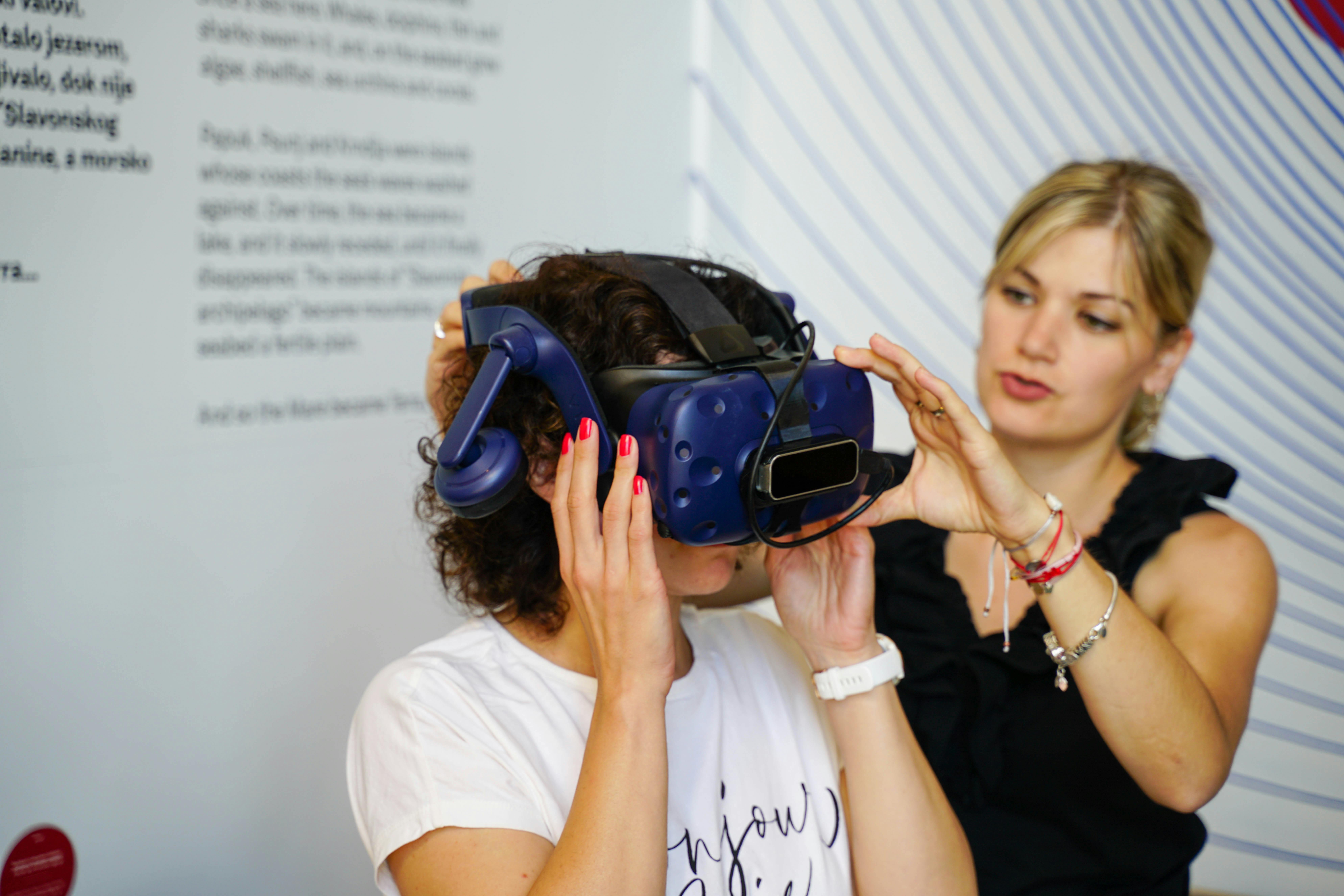
Successful AR integration extends beyond classroom walls. Educating families about how AR enhances learning builds support and enables reinforcement at home. Schools might host demonstration nights where parents experience AR applications firsthand, ask questions, and understand how technology serves educational goals.
Community partnerships with local businesses, museums, and cultural organizations create authentic AR learning opportunities. Students might develop AR tours of historical sites, create virtual exhibits featuring community heritage, or collaborate with professionals on real-world projects. These connections make learning relevant while strengthening bonds between schools and their communities.
Building Tomorrow’s Foundation Today
The transformation of education through Augmented Reality represents more than technological progress—it embodies a fundamental reimagining of what learning can become. By making abstract concepts tangible, distant places accessible, and complex systems understandable, AR removes barriers that have long limited educational potential. Students no longer simply read about scientific phenomena or historical events; they experience them in ways that engage multiple senses and learning modalities simultaneously.
As educators, policymakers, technology developers, and communities work together to integrate AR thoughtfully into educational systems, they create opportunities for every student to develop the knowledge, skills, and dispositions required for meaningful participation in an increasingly complex world. The future-ready generation emerging from AR-enhanced classrooms will approach challenges with creativity, confidence, and capabilities their predecessors could scarcely imagine.
This educational evolution demands courage to embrace new methodologies while maintaining commitment to timeless educational values: critical thinking, creativity, collaboration, and character development. Augmented Reality provides powerful tools for achieving these goals, but tools alone never transform education. Dedicated educators wielding these tools with wisdom, compassion, and deep understanding of how humans learn—that combination truly empowers tomorrow.