
Industrial training is entering a new era where augmented reality transforms how workers acquire critical skills, making complex procedures instantly accessible and dramatically reducing training time.

🚀 The Digital Revolution Reshaping Industrial Training
Manufacturing floors, construction sites, and industrial facilities worldwide face an unprecedented challenge: bridging the skills gap while maintaining productivity and safety standards. Traditional training methods—classroom lectures, paper manuals, and shadowing experienced workers—are proving insufficient for today’s rapidly evolving technological landscape. Augmented reality (AR) instruction solutions are emerging as the transformative technology that addresses these challenges head-on.
The industrial sector has witnessed remarkable technological advancement in recent years, yet workforce development strategies have remained largely unchanged. Companies spend billions annually on training programs that often fail to deliver lasting results. Workers struggle to retain information from lengthy classroom sessions, while hands-on training can be dangerous, expensive, and disruptive to production schedules.
AR technology bridges this gap by overlaying digital information onto the physical world, creating immersive learning experiences that combine theoretical knowledge with practical application. This approach fundamentally changes how workers interact with training content, transforming passive learning into active, engaging experiences that deliver measurable results.
Understanding AR-Powered Industrial Training Solutions
Augmented reality instruction systems use smart glasses, tablets, or smartphones to superimpose digital content onto real-world environments. When applied to industrial training, these solutions provide step-by-step visual guidance, 3D models, safety warnings, and performance metrics directly in the worker’s field of vision.
Unlike virtual reality, which creates entirely artificial environments, AR enhances the actual workspace where employees will perform their duties. This contextual learning approach helps workers develop muscle memory and spatial awareness in authentic settings, dramatically improving knowledge retention and skill transfer.
Core Components of AR Training Systems
Modern AR instruction platforms incorporate several essential elements that work together to create comprehensive training experiences:
- Hardware devices: Smart glasses, tablets, or mobile devices equipped with cameras and sensors that detect the physical environment
- Computer vision technology: Software that recognizes equipment, parts, and spatial relationships in real-time
- Content management systems: Platforms for creating, organizing, and deploying training modules across the organization
- Analytics dashboards: Tools that track learner progress, identify skill gaps, and measure training effectiveness
- Cloud infrastructure: Backend systems that store content, process data, and enable remote collaboration
💡 Transformative Benefits Driving Adoption
Organizations implementing AR instruction solutions report dramatic improvements across multiple performance indicators. These benefits extend beyond simple efficiency gains to fundamentally reshape workforce capabilities and organizational agility.
Accelerated Learning Curves and Skill Acquisition
Traditional industrial training often requires weeks or months before new employees reach acceptable proficiency levels. AR solutions compress these timelines dramatically. Studies show that AR-trained workers complete complex assembly tasks up to 32% faster than those trained through conventional methods, while making 90% fewer errors.
The visual, interactive nature of AR instruction aligns with how human brains naturally process and retain information. Workers see exactly what needs to be done, where, and how—eliminating ambiguity and reducing the cognitive load associated with translating written instructions or verbal descriptions into physical actions.
Enhanced Safety and Risk Reduction
Industrial environments present numerous hazards, and inexperienced workers face elevated risks. AR training allows employees to practice dangerous procedures in safe conditions, receiving immediate feedback without exposure to actual hazards. Virtual simulations can replicate emergency scenarios, equipment malfunctions, and hazardous conditions that would be impossible or unethical to recreate in traditional training.
Real-time safety alerts integrated into AR displays warn workers about potential dangers, proper protective equipment requirements, and critical safety protocols specific to each task. This contextual safety information reduces workplace accidents and creates a stronger culture of safety awareness.
🏭 Industry-Specific Applications Delivering Results
Different industrial sectors leverage AR instruction solutions in ways tailored to their unique operational requirements and challenges.
Manufacturing and Assembly Operations
Automotive manufacturers, electronics producers, and aerospace companies use AR to guide workers through complex assembly sequences. Digital overlays highlight which parts to select, show proper orientation, indicate torque specifications, and verify quality checkpoints. This guidance reduces assembly errors, speeds up production, and enables rapid workforce reallocation as product lines change.
Quality control inspectors benefit from AR systems that overlay tolerance specifications, highlight defect-prone areas, and provide instant access to historical defect data. These capabilities improve inspection accuracy while reducing the expertise required for effective quality assurance.
Maintenance and Field Service
Equipment maintenance represents one of the most compelling use cases for AR instruction technology. Technicians working on complex machinery receive step-by-step visual guidance for diagnostic procedures, repair sequences, and preventive maintenance tasks. AR systems can display equipment schematics, highlight hidden components, and provide instant access to service manuals and troubleshooting guides.
Remote expert assistance becomes dramatically more effective when field technicians share their AR view with specialists who can annotate the live scene, pointing to specific components and demonstrating procedures in real-time. This capability extends expertise across geographic boundaries and reduces costly equipment downtime.
Construction and Infrastructure Development
Construction professionals use AR to visualize building plans overlaid on actual job sites, identifying conflicts between design specifications and site conditions before costly errors occur. Workers receive guidance on proper installation procedures, safety requirements, and quality standards specific to each task.
The technology proves particularly valuable for training specialized trades—electricians, plumbers, HVAC technicians—where precise technique and code compliance are critical. AR simulations allow apprentices to practice complex installations repeatedly without wasting materials or risking safety violations.
📊 Measuring Return on Investment
Forward-thinking organizations approach AR training implementation with clear metrics and accountability frameworks. The business case for AR instruction solutions rests on quantifiable improvements across several dimensions:
| Metric Category | Traditional Training | AR-Enhanced Training | Improvement |
|---|---|---|---|
| Time to Proficiency | 8-12 weeks | 3-5 weeks | 50-60% reduction |
| Error Rates | 15-20% | 2-5% | 75-85% reduction |
| Knowledge Retention (90 days) | 25-30% | 70-80% | 140-160% increase |
| Training Cost per Employee | $3,500-5,000 | $1,500-2,500 | 40-60% reduction |
These metrics translate directly to bottom-line impact. Reduced training time means faster productivity ramp-up. Lower error rates decrease scrap costs, rework expenses, and warranty claims. Improved retention reduces the frequency and cost of refresher training. The cumulative effect often delivers positive ROI within 12-18 months of implementation.
🎯 Implementation Strategies for Maximum Impact
Successful AR training deployment requires thoughtful planning and execution. Organizations that achieve the best results follow strategic approaches that address both technical and human factors.
Starting with High-Value Use Cases
Rather than attempting organization-wide transformation immediately, successful implementations begin with pilot programs focused on specific pain points. Ideal initial use cases typically involve complex procedures with high error rates, lengthy training requirements, or significant safety concerns.
Pilot programs generate concrete data demonstrating AR’s value, build organizational confidence in the technology, and identify implementation challenges in controlled environments. Early successes create momentum for broader adoption while providing valuable lessons that inform subsequent deployments.
Content Development Best Practices
The quality of AR training content determines program effectiveness. Leading organizations invest in professional content development that balances technical accuracy with pedagogical principles. Effective AR instruction breaks complex procedures into manageable steps, uses clear visual cues, provides context-appropriate information density, and incorporates interactive elements that maintain engagement.
Many companies partner with AR platform providers who offer content creation tools and services, reducing the technical barriers to developing high-quality training experiences. These partnerships accelerate deployment while ensuring content meets industry standards and regulatory requirements.
Change Management and User Adoption
Technology adoption succeeds or fails based on user acceptance. Workers accustomed to traditional training methods may initially resist AR solutions, viewing them as unnecessary complexity or even threats to job security. Effective change management addresses these concerns through transparent communication, hands-on demonstrations, and involvement of frontline workers in pilot programs.
Identifying and empowering internal champions—respected workers who embrace the technology and help colleagues understand its benefits—proves particularly effective. When peers demonstrate AR’s practical advantages, skepticism typically gives way to enthusiasm.
🔮 Future Trajectories: Where AR Training Is Heading
The AR instruction landscape continues evolving rapidly as hardware becomes more capable, software more sophisticated, and organizational understanding more mature. Several emerging trends promise to further enhance AR’s transformative potential.
Artificial Intelligence Integration
AI-powered AR systems will provide increasingly personalized training experiences, adapting content difficulty and pacing based on individual learner performance. Machine learning algorithms will identify optimal training sequences, predict skill gaps before they impact performance, and recommend targeted interventions that maximize learning efficiency.
Computer vision combined with AI will enable automatic performance assessment, providing objective, consistent evaluation of worker skills without requiring constant supervisor oversight. This capability dramatically scales training capacity while ensuring quality standards.
5G Connectivity and Cloud Processing
Next-generation wireless networks enable real-time collaboration and processing capabilities that were previously impossible. Cloud-based AR platforms will deliver sophisticated experiences through lightweight devices, eliminating hardware cost barriers and improving user comfort during extended training sessions.
Remote expertise sharing becomes seamless when high-bandwidth, low-latency connections allow experts to see exactly what field workers see and provide guidance with imperceptible delay. This capability transforms how knowledge transfers across global organizations.
Extended Reality Convergence
The boundaries between augmented reality, virtual reality, and mixed reality are blurring. Future training solutions will fluidly transition between fully immersive virtual environments for initial skill building, mixed reality for intermediate practice, and augmented reality for on-the-job application—creating comprehensive learning pathways that optimize each technology’s strengths.
⚙️ Overcoming Implementation Challenges
Despite compelling benefits, AR training adoption faces obstacles that organizations must address proactively.
Technical Infrastructure Requirements
Effective AR solutions require reliable connectivity, sufficient computing power, and compatible devices. Organizations with aging IT infrastructure may need significant upgrades to support AR deployment. Working with technology partners who understand industrial environments helps identify requirements early and design solutions that integrate with existing systems.
Content Creation Complexity
Developing high-quality AR training content requires specialized skills that many organizations lack internally. The investment in content development can be substantial, particularly for companies with diverse equipment, procedures, and regulatory requirements. Platform solutions that simplify content creation through templates, drag-and-drop interfaces, and AI-assisted development tools reduce these barriers significantly.
Regulatory and Compliance Considerations
Heavily regulated industries must ensure AR training solutions meet compliance requirements and documentation standards. Forward-thinking AR platforms incorporate compliance tracking, automated record-keeping, and audit trail capabilities that satisfy regulatory obligations while simplifying administrative burdens.
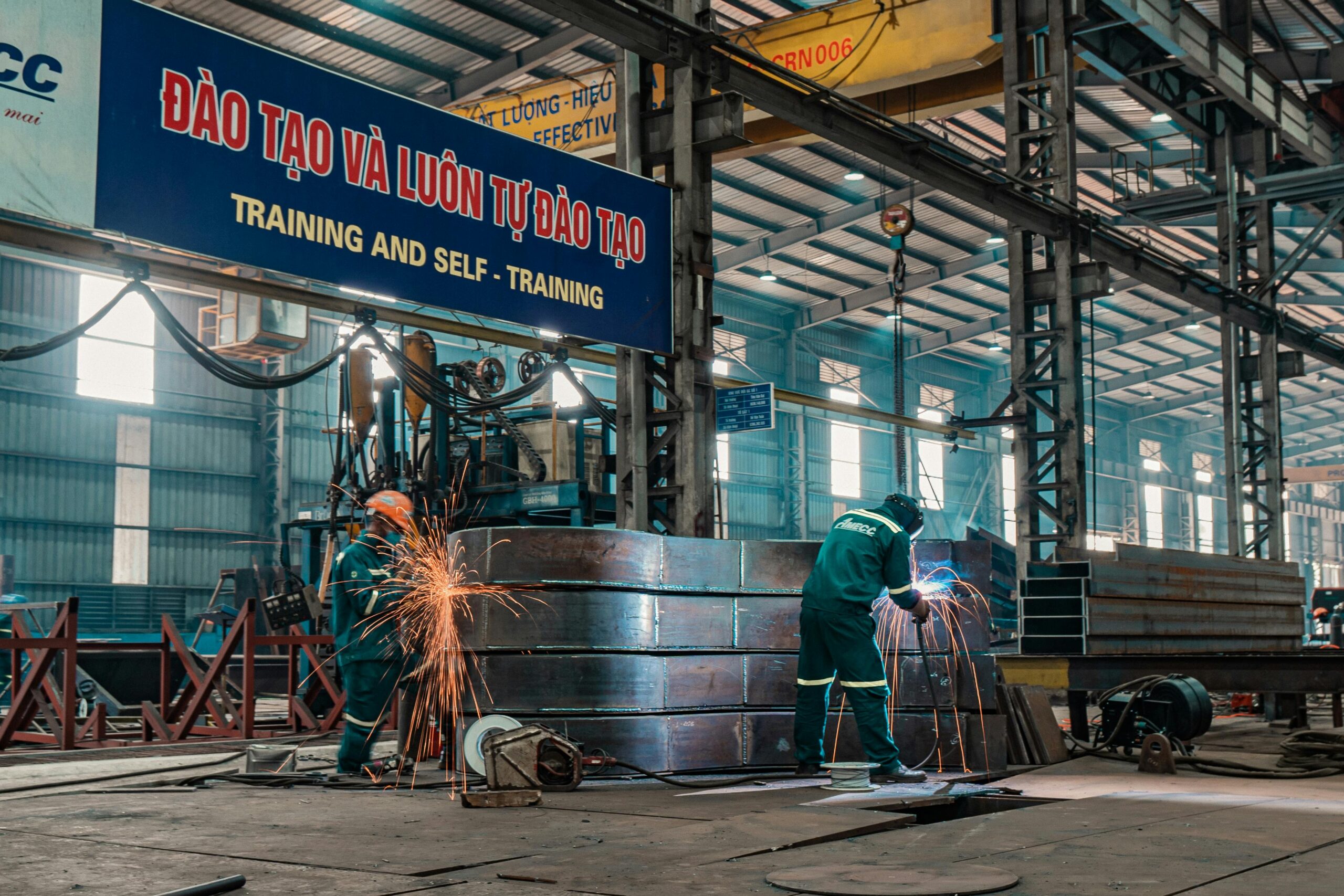
🌟 Building Competitive Advantage Through Skilled Workforces
Organizations that embrace AR instruction solutions gain advantages extending far beyond training efficiency. These companies build more agile workforces capable of rapidly adapting to new technologies, products, and processes. They create safer work environments that attract and retain talent. They reduce operational costs while improving quality and consistency.
Perhaps most importantly, they establish cultures of continuous learning where skill development becomes integrated into daily work rather than isolated training events. This transformation positions organizations to thrive amid ongoing technological disruption and evolving market demands.
The workforce skills revolution powered by augmented reality represents more than incremental improvement—it’s a fundamental reimagining of how humans develop capabilities and apply knowledge. Organizations that recognize this potential and act decisively to implement AR training solutions will lead their industries into the future, while those that hesitate risk falling irreversibly behind.
As AR technology matures and success stories multiply, the question is no longer whether to adopt AR instruction solutions, but how quickly organizations can implement them effectively. The companies writing tomorrow’s success stories are making that decision today.