
Augmented reality is no longer science fiction—it’s transforming how industries visualize, analyze, and act on operational data in real time for unprecedented efficiency gains.

🚀 The Dawn of AR-Enhanced Operational Intelligence
Traditional dashboards and static reports have served businesses well for decades, but the modern enterprise demands more. In today’s fast-paced operational environments, decision-makers need instant access to contextual information overlaid directly onto their physical workspace. Augmented reality-powered real-time operational data displays are emerging as the solution that bridges the gap between digital insights and physical action.
Manufacturing floors, logistics warehouses, healthcare facilities, and energy plants are just a few environments where AR data visualization is revolutionizing how teams monitor performance, identify issues, and optimize workflows. By projecting key performance indicators, equipment status, and predictive analytics directly into a worker’s field of view, AR eliminates the friction between data access and decision implementation.
The convergence of advanced AR hardware, edge computing, and sophisticated data analytics platforms has created an ecosystem where real-time operational intelligence becomes not just accessible but actionable in ways previously impossible. This technological synergy is fundamentally changing operational paradigms across industries.
📊 Understanding AR-Powered Operational Data Displays
AR-powered operational data displays leverage augmented reality technology to superimpose digital information onto the physical environment. Unlike traditional screens or monitors that require users to look away from their work, AR glasses or headsets project data directly into the user’s line of sight, maintaining context and continuity.
These systems integrate with existing enterprise resource planning (ERP) systems, industrial IoT sensors, and business intelligence platforms to pull real-time data streams. The AR interface then processes and visualizes this information in contextually relevant ways—displaying machine temperature readings above the actual equipment, showing inventory levels on warehouse shelves, or projecting quality control metrics alongside production lines.
Key Components of AR Operational Systems
- Display Hardware: Smart glasses, head-mounted displays, or mobile AR devices that render digital overlays
- Data Integration Layer: Middleware connecting operational systems, sensors, and databases to the AR interface
- Spatial Computing: Technology that maps digital information to physical locations with precision
- Real-Time Analytics Engine: Processing systems that transform raw data into actionable visualizations instantly
- User Interface Design: Intuitive visual frameworks optimized for hands-free, at-a-glance comprehension
💡 Transforming Decision-Making Velocity and Quality
The primary advantage of AR-powered operational displays lies in their ability to compress the decision-making cycle. Traditional approaches require workers to notice an issue, locate relevant data on a separate system, analyze the information, determine appropriate action, and then implement that decision. This process introduces delays, context switching, and potential errors.
AR eliminates these friction points by presenting relevant operational data exactly when and where it’s needed. A maintenance technician examining equipment immediately sees historical performance data, current operational parameters, and predictive maintenance alerts without consulting a separate terminal. A warehouse supervisor scanning a fulfillment area instantly views real-time throughput metrics, bottleneck alerts, and resource allocation recommendations.
This immediacy transforms decision quality by ensuring choices are based on the most current information available, contextualized within the physical environment where implementation occurs. Studies indicate that AR-assisted operational decision-making can reduce response times by 30-50% while improving decision accuracy by eliminating information latency and context loss.
🏭 Industry Applications Driving Operational Excellence
Manufacturing and Production Optimization
Manufacturing environments present ideal use cases for AR operational displays. Production managers equipped with AR headsets can walk the factory floor while viewing live OEE (Overall Equipment Effectiveness) metrics, quality control statistics, and production schedule adherence overlaid on equipment and workstations.
When machines begin operating outside optimal parameters, AR alerts appear in the supervisor’s field of view, directing attention to specific equipment before minor issues escalate to costly breakdowns. Assembly line workers see work instructions, quality checkpoints, and component specifications projected directly onto their work surface, reducing errors and training time.
Logistics and Warehouse Operations
The logistics sector has embraced AR data displays to enhance picking accuracy, optimize routing, and improve inventory management. Warehouse personnel wearing AR glasses see highlighted pick locations, quantities, and optimal navigation paths projected onto their environment, eliminating handheld scanners and paper lists.
Real-time inventory levels appear on shelving units, while loading dock personnel view shipment priorities, carrier information, and packaging requirements without consulting separate devices. This integration reduces pick errors by up to 25% while improving throughput by 15-20% in many implementations.
Healthcare and Clinical Environments
Healthcare facilities are deploying AR operational displays to improve patient outcomes and clinical efficiency. Nurses and physicians access patient vitals, medication schedules, and treatment protocols through AR interfaces during rounds, maintaining focus on patient interaction rather than computer screens.
Operating room teams benefit from surgical AR displays showing vital signs, imaging data, and procedural checklists within their visual field during procedures. Equipment maintenance staff view sterilization status, maintenance schedules, and operational alerts on medical devices throughout the facility.
Energy and Utilities Management
Power plants, refineries, and utility operations utilize AR displays to monitor complex systems spanning vast physical areas. Field technicians inspect infrastructure while viewing real-time performance data, historical trends, and safety parameters overlaid on equipment.
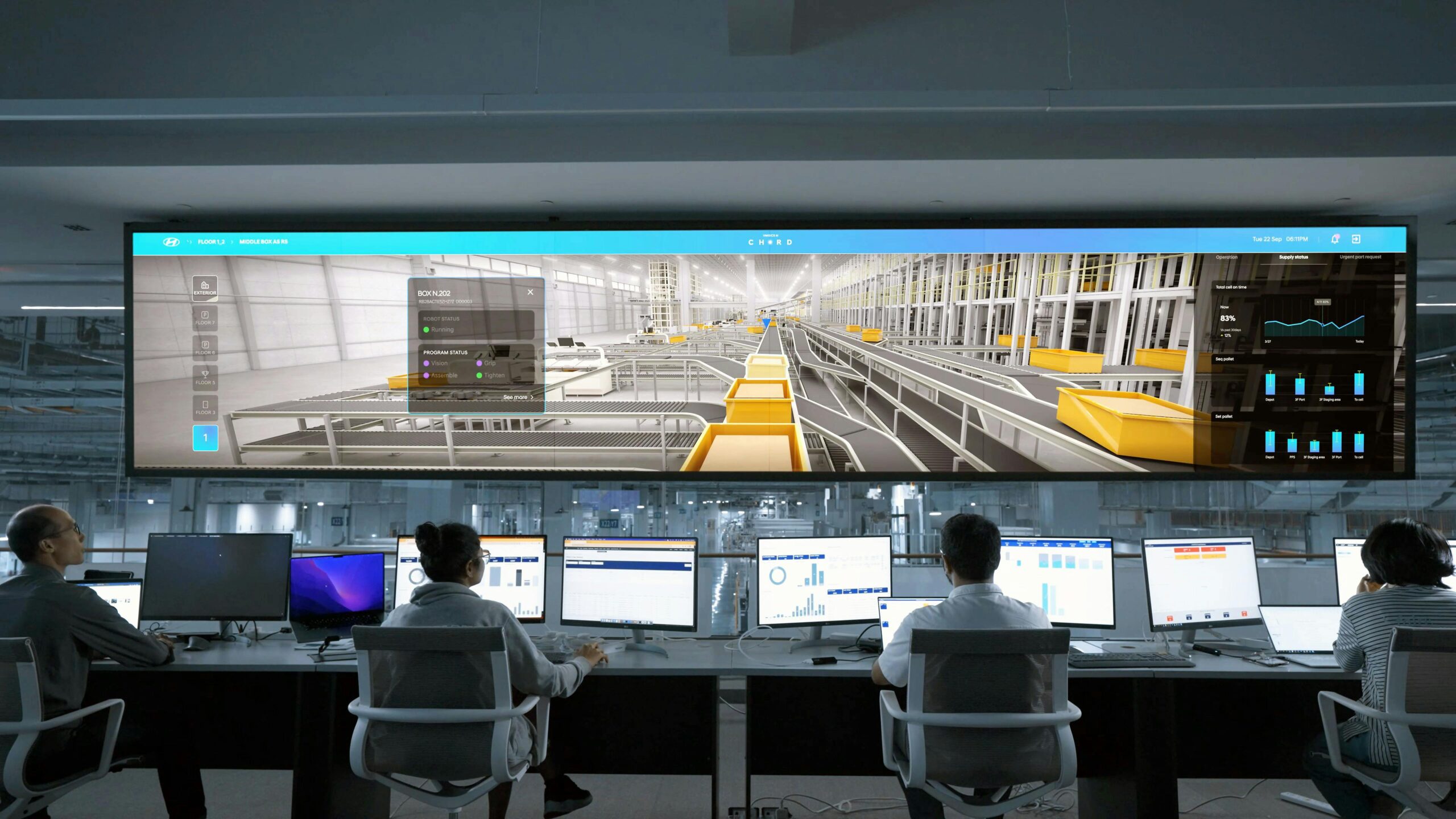
Control room operators supplement traditional monitoring stations with AR views that spatially organize data according to physical facility layout, improving situational awareness during normal operations and emergencies. This spatial contextualization has proven particularly valuable during incident response scenarios.
📈 Measuring Efficiency Gains and ROI
Organizations implementing AR-powered operational displays report measurable improvements across multiple efficiency dimensions. Quantifying these benefits helps justify investment and guide optimization efforts.
| Efficiency Metric | Typical Improvement Range | Impact Area |
|---|---|---|
| Task Completion Time | 20-35% reduction | Operational productivity |
| Error Rates | 15-40% reduction | Quality and rework costs |
| Training Duration | 30-50% reduction | Onboarding efficiency |
| Equipment Downtime | 10-25% reduction | Asset utilization |
| Decision Response Time | 30-60% reduction | Agility and responsiveness |
Beyond quantitative metrics, organizations report qualitative benefits including improved worker satisfaction, enhanced safety awareness, and better cross-functional collaboration. These softer benefits contribute to retention, culture, and long-term operational resilience.
🔧 Implementation Strategies for Maximum Impact
Successfully deploying AR operational displays requires thoughtful planning and phased implementation. Organizations achieving the strongest results follow several best practices throughout their deployment journey.
Starting with High-Value Use Cases
Rather than attempting enterprise-wide deployment immediately, successful implementations begin with specific use cases offering clear value propositions. Identifying processes with high cognitive load, frequent context switching, or critical time sensitivity provides ideal starting points.
Pilot programs in controlled environments allow teams to refine interfaces, validate technical integration, and build organizational confidence before scaling. These early successes create momentum and identify champions who can advocate for broader adoption.
Ensuring Seamless Data Integration
The value of AR operational displays depends entirely on data quality, timeliness, and relevance. Robust integration with existing operational systems—SCADA, MES, WMS, ERP, and IoT platforms—ensures users access accurate, current information.
Organizations should invest in middleware and API layers that normalize data formats, handle latency management, and provide failover capabilities. Edge computing infrastructure positioned near operational areas reduces latency and ensures responsiveness even when network connectivity fluctuates.
Designing for User Experience
AR interfaces must balance information richness with cognitive clarity. Overloading displays with excessive data points creates confusion rather than insight. Effective designs prioritize contextually relevant information, use visual hierarchy to guide attention, and provide progressive disclosure for detailed data.
Involving end users throughout design iterations ensures interfaces align with actual workflows and cognitive patterns. What seems intuitive to system designers may prove awkward in operational contexts, making user feedback essential for refinement.
🛡️ Addressing Security and Privacy Considerations
AR operational systems introduce unique security considerations that organizations must address proactively. These devices capture visual information from operational environments while transmitting sensitive business data, creating potential vulnerabilities.
Implementing strong authentication protocols, encrypting data transmission, and establishing clear usage policies protect both operational intelligence and worker privacy. Organizations should conduct security audits specifically addressing AR systems and ensure compliance with industry-specific regulations governing data handling.
Worker privacy concerns regarding continuous recording capabilities of AR devices require transparent policies and technical safeguards. Clarifying what data is captured, how it’s used, and providing appropriate controls helps build trust and acceptance.
🌐 The Role of 5G and Edge Computing
Network infrastructure significantly impacts AR operational display performance. Low latency and high bandwidth are essential for smooth, responsive experiences that present real-time data without perceptible delays.
5G networks provide the connectivity foundation that makes truly mobile AR operational systems viable across large facilities. Edge computing complements 5G by processing data near its source, reducing round-trip latency and enabling rapid response to changing operational conditions.
Organizations planning AR deployments should evaluate their network infrastructure capabilities and consider upgrades where existing systems cannot support the latency and bandwidth requirements of real-time AR applications.
🎯 Future Trajectories and Emerging Capabilities
AR-powered operational displays continue evolving rapidly as underlying technologies advance. Several emerging capabilities promise to further enhance their utility and impact.
AI-Enhanced Predictive Visualizations
Integration of artificial intelligence and machine learning algorithms enables AR systems to move beyond displaying current state to projecting future conditions. Predictive maintenance alerts, demand forecasting visualizations, and automated optimization recommendations will appear contextually within AR interfaces.
These AI-powered insights transform AR displays from reactive information tools to proactive decision support systems that suggest optimal actions before problems emerge.
Collaborative AR Environments
Next-generation systems enable multiple users to share AR operational views, annotate shared spaces, and collaborate on problem-solving regardless of physical location. Remote experts can see what field technicians see, markup AR displays with guidance, and collaboratively troubleshoot complex issues.
This collaborative capability extends organizational expertise across geographic boundaries, enabling centralized specialists to support distributed operations more effectively.
Natural Language Interaction
Voice and gesture-based interactions are becoming more sophisticated, allowing hands-free control of AR operational displays. Workers can query systems, adjust displayed metrics, and execute actions using natural language commands while maintaining focus on physical tasks.
This multimodal interaction capability reduces the learning curve and makes AR systems accessible to users with varying technical proficiency levels.
🏆 Building Organizational Readiness
Technology alone does not guarantee successful AR implementation—organizational readiness proves equally critical. Companies achieving the best outcomes invest in change management, training programs, and cultural preparation alongside technical deployment.
Leadership must articulate clear vision and benefits, addressing concerns about job displacement or surveillance while emphasizing how AR tools augment human capabilities rather than replacing workers. Training programs should extend beyond device operation to encompass data literacy and decision-making frameworks that leverage new information access.
Creating feedback loops where frontline users can suggest improvements and report issues ensures systems evolve to meet actual operational needs. Organizations that treat AR deployment as an ongoing optimization journey rather than a one-time implementation achieve superior long-term results.
⚡ Accelerating Your AR Operational Transformation
The competitive advantages of AR-powered operational data displays are becoming too significant to ignore. Organizations across industries are discovering that real-time, contextual data visualization fundamentally changes how work gets done, decisions get made, and efficiency gets optimized.
Starting the journey requires assessment of current operational pain points, evaluation of available AR platforms, and commitment to iterative implementation. Partnering with experienced solution providers, learning from early adopter case studies, and maintaining flexibility throughout deployment helps organizations navigate the transformation successfully.
The question facing operational leaders today is not whether to adopt AR-enhanced data displays, but how quickly they can implement them before competitors gain insurmountable efficiency advantages. Those who move decisively to integrate augmented reality into operational workflows position themselves at the forefront of the next industrial revolution—one where human intelligence amplified by contextual digital information creates unprecedented operational excellence.
As hardware becomes more affordable, software more sophisticated, and integration more seamless, the barriers to AR adoption continue falling. Now represents the optimal moment for forward-thinking organizations to begin their AR operational transformation and revolutionize efficiency through smarter, faster, more informed decision-making at every level of operation.