
Augmented reality is transforming healthcare delivery, merging digital innovation with patient care to create immersive, personalized wellness experiences that were unimaginable just years ago.

🚀 The Dawn of a New Healthcare Era
The healthcare industry stands at a pivotal crossroads where traditional medical practices intersect with groundbreaking technological advancements. Augmented reality (AR) has emerged as a revolutionary force, fundamentally reshaping how medical professionals diagnose, treat, and monitor patients. This innovative technology overlays digital information onto the physical world, creating enhanced experiences that bridge the gap between virtual possibilities and tangible healthcare outcomes.
Healthcare providers worldwide are embracing AR solutions to address longstanding challenges in medical education, surgical precision, patient engagement, and therapeutic interventions. The technology’s ability to visualize complex anatomical structures, simulate medical procedures, and provide real-time guidance during critical operations has positioned it as an indispensable tool in modern medical practice.
💡 Understanding Augmented Reality in Medical Contexts
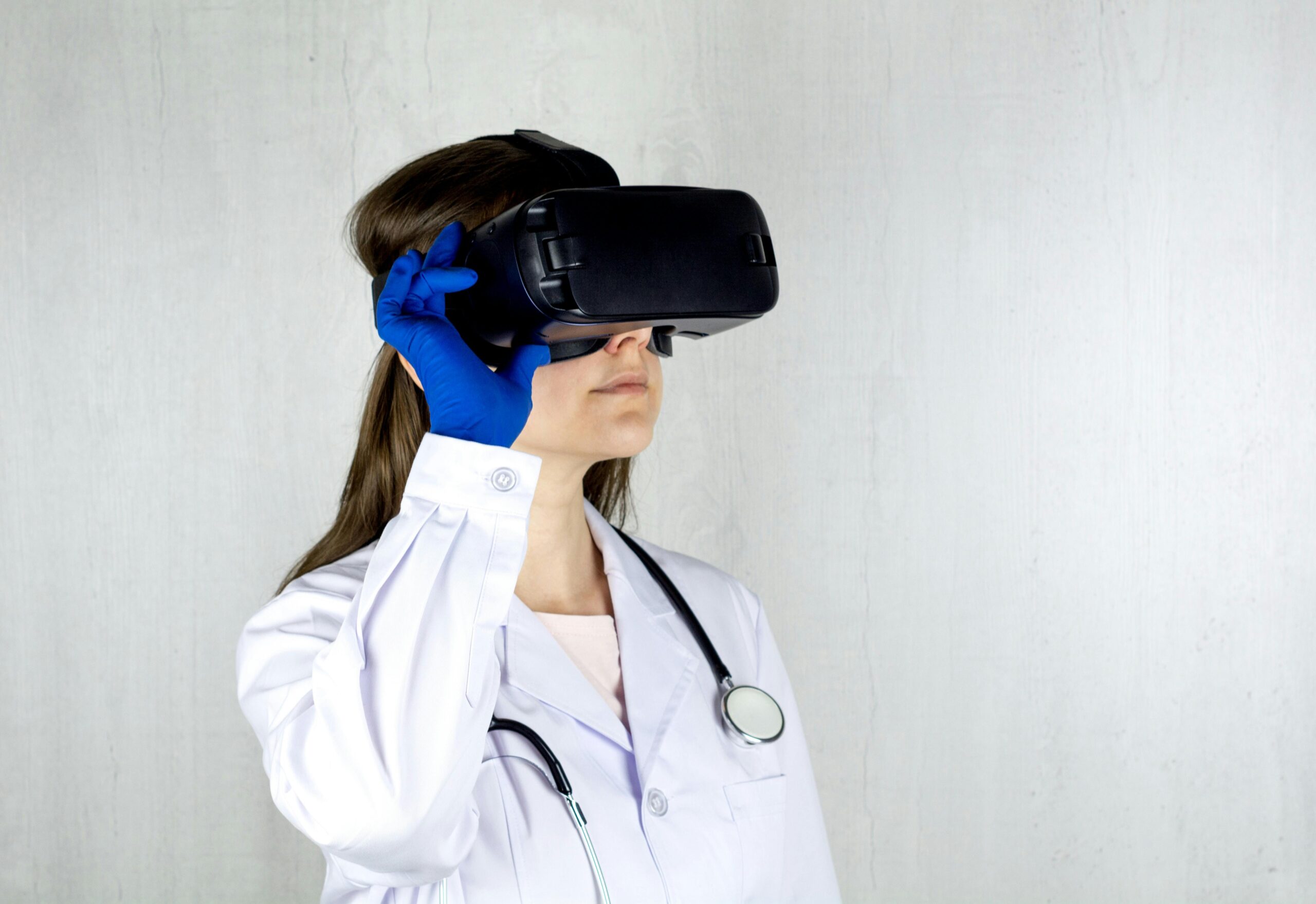
Augmented reality in healthcare functions by superimposing computer-generated images, data, and interactive elements onto the user’s view of the real world. Unlike virtual reality, which creates entirely artificial environments, AR enhances existing reality with contextual digital information. This distinction makes AR particularly valuable in medical settings where practitioners must maintain awareness of their physical surroundings while accessing supplementary data.
The technology operates through specialized devices such as smart glasses, headsets, tablets, and smartphones equipped with advanced sensors, cameras, and processing capabilities. These devices track the user’s position and orientation, allowing the AR system to anchor digital content precisely within the physical environment.
Core Components Driving Healthcare AR Innovation
Several technological elements work synergistically to deliver effective AR healthcare solutions. Advanced imaging sensors capture detailed visual information about the surrounding environment. Powerful processors analyze this data in real-time, while sophisticated algorithms determine where and how to display digital overlays. High-resolution displays present augmented content seamlessly integrated with the user’s field of view.
🏥 Transformative Applications Reshaping Patient Care
The practical applications of augmented reality in healthcare extend far beyond novelty demonstrations. Medical institutions are implementing AR solutions across diverse specialties, each addressing specific clinical challenges with innovative approaches.
Surgical Excellence Through Enhanced Visualization
Surgical procedures demand extraordinary precision, where millimeter-level accuracy can determine patient outcomes. AR technology provides surgeons with unprecedented visualization capabilities, projecting three-dimensional anatomical models, vital signs, and imaging data directly into their field of view during operations. This eliminates the need to glance away at separate monitors, maintaining focus on the surgical site while accessing critical information.
Neurosurgeons utilize AR to visualize brain structures beneath the skull surface, identifying tumors, blood vessels, and critical neural pathways before making incisions. Orthopedic specialists employ AR guidance systems that overlay precise alignment markers during joint replacement procedures, ensuring optimal implant positioning. Cardiovascular surgeons benefit from real-time visualization of blood flow patterns and vessel anatomy during complex cardiac interventions.
Medical Education Revolutionized
Traditional medical education relied heavily on textbooks, cadaver dissection, and observation of experienced practitioners. Augmented reality has introduced immersive learning experiences that accelerate skill acquisition and deepen understanding of complex medical concepts. Medical students can now examine three-dimensional anatomical models that float before them, rotating structures, zooming into microscopic details, and understanding spatial relationships in ways impossible with traditional methods.
AR simulation platforms allow learners to practice procedures repeatedly without risk to actual patients, building confidence and competence before entering operating rooms. These systems provide immediate feedback, highlighting errors and suggesting corrections, creating personalized learning pathways adapted to individual progress rates.
🔬 Diagnostic Precision Enhanced by Augmented Intelligence
Accurate diagnosis forms the foundation of effective treatment, yet many conditions present subtle signs easily overlooked by even experienced clinicians. Augmented reality systems integrated with artificial intelligence algorithms enhance diagnostic accuracy by highlighting abnormalities in medical imaging, suggesting differential diagnoses, and providing access to vast medical knowledge databases during patient examinations.
Dermatologists employ AR applications that analyze skin lesions, comparing them against databases of thousands of documented cases to identify potential malignancies. Radiologists use AR overlays that emphasize suspicious areas in CT scans and MRIs, reducing the likelihood of missed findings. Emergency physicians benefit from AR systems that guide them through systematic patient assessments, ensuring no critical symptoms are overlooked during high-stress situations.
Remote Consultation and Telemedicine Integration
Geographic barriers have historically limited access to specialized medical expertise, particularly in rural and underserved communities. Augmented reality enables remote specialists to virtually “see through the eyes” of on-site healthcare providers, guiding examinations and procedures through real-time AR annotations and instructions overlaid onto the local practitioner’s view.
This capability proves particularly valuable during medical emergencies where specialist input could be life-saving but physical presence is impossible. AR-enabled telemedicine platforms facilitate collaborative diagnosis and treatment planning across continents, democratizing access to world-class medical expertise.
💊 Patient Engagement and Therapeutic Applications
Beyond supporting healthcare providers, augmented reality directly enhances patient experiences and therapeutic outcomes. AR applications help patients better understand their conditions through visual representations of disease processes, treatment mechanisms, and expected outcomes.
Pain Management Without Pharmaceuticals
Chronic pain affects millions globally, often leading to opioid dependence and diminished quality of life. AR-based pain management programs offer non-pharmaceutical alternatives by engaging patients in immersive experiences that redirect attention away from pain signals. Interactive AR games and relaxation environments activate the brain’s natural pain modulation systems, providing measurable relief without medication side effects.
Physical therapy patients use AR guidance systems that demonstrate proper exercise techniques, provide real-time form corrections, and gamify rehabilitation programs to increase adherence. These systems track progress objectively, adjusting difficulty levels to optimize recovery trajectories.
Mental Health and Behavioral Interventions
Psychological conditions including anxiety disorders, phobias, and post-traumatic stress disorder respond well to exposure therapy, where patients gradually confront feared situations in controlled environments. Augmented reality creates customizable exposure scenarios that therapists can adjust in real-time based on patient responses, providing safe spaces to develop coping strategies.
AR meditation and mindfulness applications overlay calming visual elements onto real environments, helping users establish regular mental wellness practices. These tools make psychological interventions more accessible, reducing stigma associated with seeking mental health support.
📊 Data Integration and Healthcare Systems
Modern healthcare generates enormous volumes of patient data from electronic health records, wearable devices, laboratory systems, and imaging equipment. Augmented reality serves as an intuitive interface for synthesizing this information, presenting relevant data contextually during patient encounters.
Physicians wearing AR glasses can view patient histories, medication lists, allergy alerts, and recent test results without touching keyboards or looking away from patients. This seamless information access improves clinical decision-making while maintaining the personal connection essential to quality care. Voice commands and gesture controls enable hands-free interaction, maintaining sterile fields during procedures.
🌐 Emerging Trends Shaping Tomorrow’s Healthcare
The augmented reality healthcare landscape continues evolving rapidly as technological capabilities expand and clinical applications mature. Several trends promise to accelerate AR adoption and impact across medical specialties.
Artificial Intelligence Convergence
The integration of artificial intelligence with augmented reality creates systems that not only display information but actively assist clinical reasoning. AI algorithms analyze patient data in real-time, suggesting diagnoses, predicting complications, and recommending evidence-based interventions. These intelligent AR systems learn from each patient interaction, continuously improving their advisory capabilities.
5G Connectivity Enabling Real-Time Collaboration
Fifth-generation wireless networks provide the bandwidth and low latency necessary for seamless AR experiences, particularly in telemedicine applications. High-definition video streams, complex 3D models, and multi-user collaborative environments become practical even in mobile settings. Emergency responders equipped with AR devices can transmit patient information to hospitals before arrival, enabling care teams to prepare specifically for incoming cases.
Miniaturization and Wearable AR Devices
Early AR systems required bulky headsets that limited practical adoption. Current development focuses on lightweight, comfortable devices suitable for extended wear during long surgical procedures or full clinical shifts. Contact lens-based AR systems under development promise completely unobtrusive augmented vision, indistinguishable from normal eyewear.
⚕️ Overcoming Implementation Challenges
Despite tremendous potential, augmented reality healthcare adoption faces several obstacles requiring systematic attention from technology developers, healthcare administrators, and policymakers.
Cost Considerations and Return on Investment
Advanced AR systems represent significant capital investments for healthcare facilities already operating on thin margins. Demonstrating clear return on investment through improved outcomes, reduced complications, shorter procedure times, or enhanced efficiency remains essential for widespread adoption. Progressive reimbursement policies that recognize the value of AR-enhanced care could accelerate implementation.
Regulatory Frameworks and Clinical Validation
Medical devices undergo rigorous regulatory scrutiny to ensure safety and efficacy. AR healthcare applications must navigate complex approval processes, requiring extensive clinical trials demonstrating superiority or equivalence to existing standards of care. Establishing regulatory pathways that balance innovation encouragement with patient safety protection continues as an evolving challenge.
Training and Workflow Integration
Healthcare professionals already face steep learning curves mastering medical knowledge and clinical skills. Introducing AR systems adds another layer of complexity requiring dedicated training time and ongoing support. Successful implementation demands intuitive interfaces requiring minimal instruction, seamless integration into existing clinical workflows, and clear value propositions that justify the learning investment.
🔐 Privacy, Security, and Ethical Considerations
Augmented reality systems in healthcare collect, process, and display sensitive patient information, raising important privacy and security concerns. Robust encryption, secure authentication, and strict access controls must protect data from unauthorized access or breaches. Clear policies governing data retention, sharing, and patient consent ensure ethical use of AR technologies.
Questions regarding liability when AR systems contribute to clinical decisions require careful consideration. Determining responsibility when human judgment informed by AI-enhanced AR guidance leads to adverse outcomes challenges traditional medical liability frameworks. Developing appropriate ethical guidelines and legal precedents will shape how these technologies integrate into clinical practice.
🌟 The Path Forward: Vision for Healthcare’s Augmented Future
Augmented reality represents not a distant future possibility but a present reality transforming healthcare delivery. As technology matures, costs decrease, and evidence supporting clinical benefits accumulates, AR adoption will accelerate across specialties and settings. The convergence of AR with artificial intelligence, robotics, and genomic medicine promises personalized healthcare experiences tailored to individual patient needs.
Future healthcare facilities may feature AR-enhanced environments where digital information seamlessly integrates with physical spaces, guiding patients through facilities, providing multilingual directions, and offering entertainment during wait times. Operating rooms could become entirely AR-enabled environments where surgical teams access holographic anatomical models, real-time patient data, and remote specialist guidance simultaneously.
Home healthcare will expand through AR applications that guide patients through self-care procedures, monitor chronic conditions, and alert providers to concerning changes. Elderly individuals could maintain independence longer with AR assistance for medication management, fall prevention, and cognitive support.
🎯 Preparing for the Augmented Healthcare Revolution
Healthcare organizations preparing for AR integration should begin by identifying specific clinical challenges where the technology offers clear advantages. Pilot programs in controlled settings allow evaluation of feasibility, user acceptance, and measurable outcomes before broader implementation. Engaging clinicians early in selection and customization processes ensures solutions address real workflow needs rather than imposing technology for its own sake.
Investment in robust IT infrastructure capable of supporting AR applications, including high-speed networks, powerful processing capabilities, and secure data storage, creates foundations for successful deployment. Establishing partnerships with technology vendors committed to ongoing support, updates, and evidence generation ensures long-term value from AR investments.
Medical education programs must evolve to prepare future practitioners for AR-enhanced practice environments. Incorporating AR literacy into curricula alongside traditional clinical skills ensures graduates can leverage these powerful tools effectively. Continuing education opportunities help current practitioners develop competencies needed to adopt AR technologies confidently.
The revolution augmented reality brings to healthcare extends beyond technological novelty, fundamentally reimagining how medical knowledge, clinical expertise, and patient care converge. As these innovations mature and proliferate, healthcare delivery will become more precise, personalized, and accessible than ever before. The future of wellness lies not in choosing between human touch and technological advancement, but in thoughtfully integrating augmented reality’s capabilities with healthcare’s enduring commitment to healing, compassion, and service. This transformative journey has only just begun, promising extraordinary improvements in health outcomes and quality of life for people worldwide.