
Augmented Reality is transforming how consumers shop online, bridging the gap between digital browsing and physical experience with immersive product visualization technology.

🛍️ The Digital Shopping Dilemma We All Face
Every online shopper has experienced that moment of uncertainty. You’ve found the perfect sofa, the ideal pair of sunglasses, or that stunning piece of wall art, but something holds you back from clicking “buy now.” Will it actually look good in your living room? Does it match your style? Is the size right for your space?
This hesitation isn’t just a minor inconvenience—it’s a significant barrier that costs retailers billions in abandoned carts and generates mountains of returned merchandise annually. Traditional e-commerce relies on static images and written descriptions, leaving customers to imagine how products will fit into their lives. This imagination gap creates doubt, and doubt kills conversions.
The consequences extend beyond lost sales. High return rates strain logistics networks, damage profit margins, and create environmental waste. Customers who receive products that don’t meet expectations become dissatisfied, potentially damaging brand loyalty and generating negative reviews that influence future shoppers.
How Augmented Reality Changes Everything
Augmented Reality product visualization represents a quantum leap forward in online shopping capabilities. By overlaying digital product representations onto real-world environments through smartphone cameras or AR-enabled devices, this technology allows customers to see exactly how items will look in their actual spaces before making purchase decisions.
Unlike virtual reality, which creates entirely synthetic environments, AR enhances the real world with digital information. When shopping for furniture, you can place a virtual couch in your living room, walk around it, view it from different angles, and see how it complements your existing décor—all from your smartphone.
This technology leverages sophisticated computer vision, 3D modeling, and spatial mapping to create realistic representations that respect scale, lighting, and perspective. The result is an experience that closely mimics having the actual product in your space, dramatically reducing the uncertainty that plagues online shopping.
🎯 Building Confidence Through Virtual Try-Before-You-Buy
The psychological impact of AR visualization cannot be overstated. When customers can see products in context, they develop emotional connections that static images simply cannot generate. This visualization builds confidence by answering the fundamental question every online shopper asks: “Will this work for me?”
For fashion and beauty products, AR allows virtual try-ons where customers can see how glasses frame their face, how lipstick shades complement their skin tone, or how clothing items fit their body type. These personalized visualizations eliminate guesswork and create purchase certainty that approaches in-store shopping experiences.
Home furnishing retailers have embraced AR visualization with remarkable results. Customers can experiment with different furniture arrangements, test various color schemes, and visualize complete room makeovers without moving a single physical object. This capability transforms shopping from a risky transaction into an engaging, creative experience.
The Technology Behind Seamless AR Shopping
Modern AR shopping experiences rely on several interconnected technologies working in harmony. Smartphone cameras capture real-world environments, while specialized software processes this visual information to understand spatial relationships, surface textures, and lighting conditions.
Advanced 3D modeling creates photorealistic product representations that can be manipulated in real-time. These models incorporate accurate dimensions, materials, and textures, ensuring virtual products behave realistically when placed in customer environments. Shadow rendering, reflection mapping, and occlusion handling add to the realism.
Machine learning algorithms continuously improve AR experiences by learning from user interactions, optimizing performance across different devices, and enhancing object recognition capabilities. This adaptive technology ensures that AR visualization becomes more accurate and responsive over time.
📱 Industries Leading the AR Revolution
While AR shopping technology has applications across virtually every retail category, certain industries have emerged as early adopters and innovation leaders, demonstrating the transformative potential of this technology.
Furniture and Home Décor
The furniture industry faces unique challenges in e-commerce. Size mismatches, style conflicts, and spatial planning difficulties generate notoriously high return rates. AR visualization directly addresses these pain points by allowing customers to see exactly how furniture pieces will fit and look in their actual spaces.
Major retailers now offer AR apps that catalog thousands of products, enabling customers to design entire rooms with virtual furniture. These applications often include measurement tools that automatically calculate dimensions, ensuring proper fit before purchase. The result is dramatically reduced return rates and significantly higher customer satisfaction.
Fashion and Accessories
Virtual try-on technology has revolutionized fashion retail by allowing customers to see how clothing, accessories, and eyewear look on their actual bodies. Advanced facial recognition and body mapping technologies create personalized experiences that account for individual features and proportions.
Eyewear retailers particularly benefit from AR visualization, as customers can instantly try hundreds of frame styles, comparing looks side-by-side and receiving recommendations based on face shape. This capability eliminates the need for in-store visits while providing an experience that’s often superior to traditional shopping.
Beauty and Cosmetics
The cosmetics industry has embraced AR with enthusiasm, offering virtual makeup applications that show exactly how products will appear on individual skin tones and facial features. These experiences account for lighting conditions, skin texture, and personal coloring to provide accurate representations.
Customers can experiment with bold colors and new looks without commitment, encouraging exploration and increasing basket sizes. The technology also provides product recommendations based on user preferences and skin characteristics, creating personalized shopping experiences that build brand loyalty.
🚀 Real Business Impact and Measurable Results
The benefits of AR product visualization extend far beyond novelty value—they translate into concrete business results that justify implementation investments and drive competitive advantage in crowded marketplaces.
Conversion rate improvements represent the most immediately visible benefit. Retailers implementing AR visualization consistently report conversion increases ranging from 40% to 200%, with some categories showing even more dramatic improvements. When customers can visualize products in context, purchase hesitation diminishes substantially.
Return rate reductions deliver enormous cost savings and operational efficiencies. By helping customers make better-informed decisions, AR visualization significantly decreases the likelihood of disappointment upon product arrival. Some retailers report return rate decreases of 25% or more after implementing AR capabilities.
Customer engagement metrics show remarkable improvements when AR features are available. Users spend significantly more time interacting with products, exploring different options, and sharing experiences with friends and family. This deeper engagement builds brand connections that translate into long-term loyalty.
Overcoming Implementation Challenges
Despite its benefits, AR visualization implementation presents several challenges that retailers must address to ensure successful deployment and widespread adoption by their customer base.
Creating high-quality 3D product models requires significant investment in photography, modeling, and rendering resources. Each product must be accurately measured, photographed from multiple angles, and converted into detailed 3D representations. This process can be time-consuming and expensive, particularly for retailers with extensive product catalogs.
Device compatibility issues present another hurdle. While modern smartphones increasingly support AR capabilities through frameworks like ARKit and ARCore, older devices may lack necessary sensors or processing power. Retailers must balance advanced features with accessibility, ensuring experiences work across diverse device ecosystems.
User experience design requires careful consideration. AR features must be intuitive enough for non-technical users while powerful enough to provide meaningful value. Poor implementation can frustrate customers and discourage adoption, negating potential benefits.
💡 Creating Compelling AR Shopping Experiences
Successful AR implementation requires more than just technical competence—it demands thoughtful design that prioritizes user needs and removes friction from the shopping journey.
Simplicity should guide interface design. Customers should access AR features with minimal taps, clear instructions, and intuitive controls. The technology should feel invisible, allowing users to focus on products rather than struggling with complex interfaces.
Performance optimization ensures smooth experiences that don’t frustrate users with slow loading times or laggy interactions. Product models must be optimized for mobile devices, balancing visual quality with performance requirements. Smooth frame rates and instant responsiveness create confidence in the technology.
Social sharing features amplify engagement by allowing customers to capture AR scenes and share them with friends, family, or social media followers. These shares generate organic marketing while providing valuable social proof that influences purchasing decisions.
The Future of AR Shopping Technology
As AR technology continues evolving, the shopping experiences of tomorrow will make today’s implementations seem primitive by comparison. Several emerging trends point toward even more immersive and valuable applications.
Artificial intelligence integration will enable smart product recommendations that consider room dimensions, existing décor, personal style preferences, and budget constraints. AI assistants will guide customers through design processes, suggesting complementary products and helping create cohesive looks.
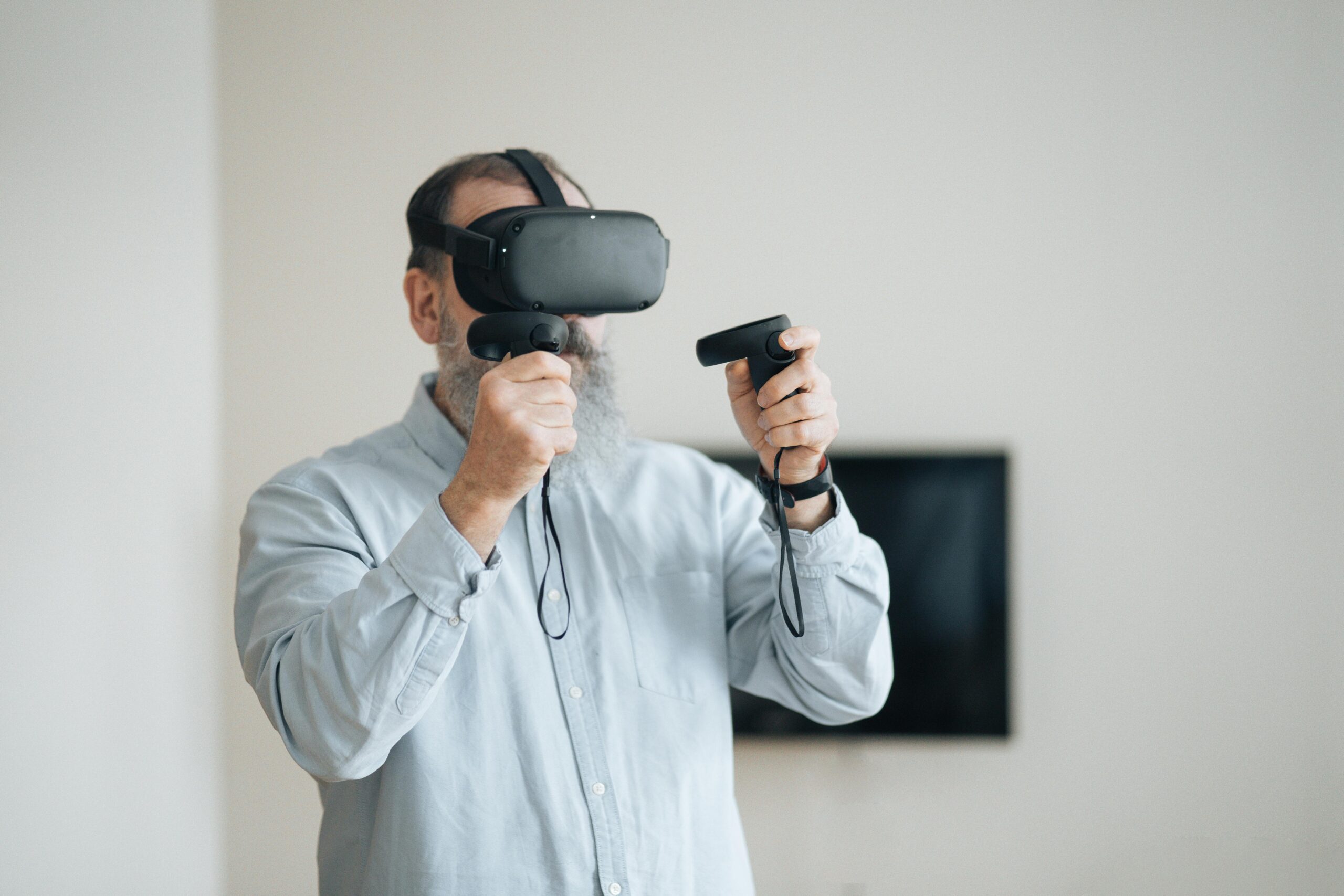
Wearable AR devices, including smart glasses and advanced headsets, will deliver hands-free shopping experiences that seamlessly blend digital and physical worlds. As these devices achieve mainstream adoption, AR shopping will become ambient and continuous rather than requiring dedicated app sessions.
Collaborative AR experiences will allow multiple users to simultaneously view and interact with virtual products, enabling families and friends to shop together despite physical separation. This social dimension will recreate the communal aspects of traditional shopping in digital environments.
🎨 Enhancing Brand Storytelling Through AR
Beyond practical product visualization, AR creates opportunities for rich brand storytelling that builds emotional connections and differentiates retailers in competitive markets.
Interactive brand experiences can transport customers to product origins, manufacturing facilities, or inspirational settings that communicate brand values and heritage. A furniture retailer might show the forest where wood is sustainably harvested, while a fashion brand could showcase the artisans crafting their products.
Educational content delivered through AR helps customers understand product features, materials, and care instructions in engaging ways that static text cannot match. These experiences add value beyond the purchase transaction, building expertise and confidence that strengthens customer relationships.
Limited edition AR experiences create exclusivity and urgency that drive engagement and conversions. Brands can offer special AR content tied to product launches, seasonal campaigns, or loyalty programs, rewarding engaged customers with unique experiences.
Making AR Accessible for All Business Sizes
While major retailers have led AR adoption, increasingly accessible tools and platforms are democratizing this technology, enabling businesses of all sizes to implement effective AR shopping experiences.
Cloud-based AR platforms eliminate the need for extensive technical expertise or infrastructure investments. These services provide templates, automated 3D modeling, and hosting solutions that allow small retailers to deploy AR features quickly and affordably.
Smartphone-based 3D scanning tools enable businesses to create product models using nothing more than a smartphone camera. While not matching the quality of professional modeling, these solutions provide acceptable results for many product categories at minimal cost.
Plugin solutions for popular e-commerce platforms allow easy integration of AR capabilities into existing online stores. These turnkey solutions handle technical complexities, allowing retailers to focus on merchandising and customer experience rather than software development.
🌟 Measuring Success and Optimizing Performance
Implementing AR visualization is just the beginning—continuous measurement and optimization ensure these investments deliver maximum value and evolve with customer needs.
Key performance indicators should track AR feature usage rates, comparing conversion rates between customers who use AR versus those who don’t. This data quantifies the technology’s impact and justifies ongoing investment in improvements and expansions.
User behavior analytics reveal how customers interact with AR features, identifying friction points, popular products, and common usage patterns. These insights guide interface improvements and product prioritization, ensuring development resources focus on high-impact enhancements.
Customer feedback through surveys and reviews provides qualitative insights that complement quantitative metrics. Understanding why customers value AR features, what improvements they desire, and how these tools influence purchase decisions informs strategic decisions about future capabilities.
Preparing Your Business for AR Shopping
Successfully implementing AR product visualization requires strategic planning that aligns technology investments with business objectives and customer needs.
Start by identifying product categories where visualization delivers maximum value. Focus initial efforts on products where size, fit, or aesthetic compatibility create purchase barriers. These high-impact applications build confidence while generating compelling success stories that support broader implementation.
Invest in quality 3D modeling infrastructure that can scale with your needs. Whether building internal capabilities or partnering with specialized services, ensure you can create and maintain accurate product representations that meet customer expectations for realism and accuracy.
Educate customers about AR capabilities through targeted marketing that demonstrates value and encourages trial. Many customers remain unaware of AR shopping features or uncertain about how to use them. Clear communication and compelling demonstrations drive adoption and maximize return on technology investments.
The revolution in shopping experiences enabled by augmented reality product visualization represents far more than a technological novelty—it’s a fundamental transformation in how consumers research, evaluate, and purchase products. By bridging the confidence gap that has long plagued online shopping, AR technology creates experiences that benefit customers through reduced uncertainty and better purchase decisions while delivering measurable business results through higher conversions, lower returns, and stronger brand loyalty.
As this technology continues evolving and becoming more accessible, the question for retailers shifts from “Should we implement AR?” to “How quickly can we deploy these capabilities?” Early adopters gain competitive advantages that become increasingly difficult to overcome as customers grow accustomed to visualization features. The future of shopping is here, augmented and enhanced, waiting for businesses ready to embrace its transformative potential. 🚀