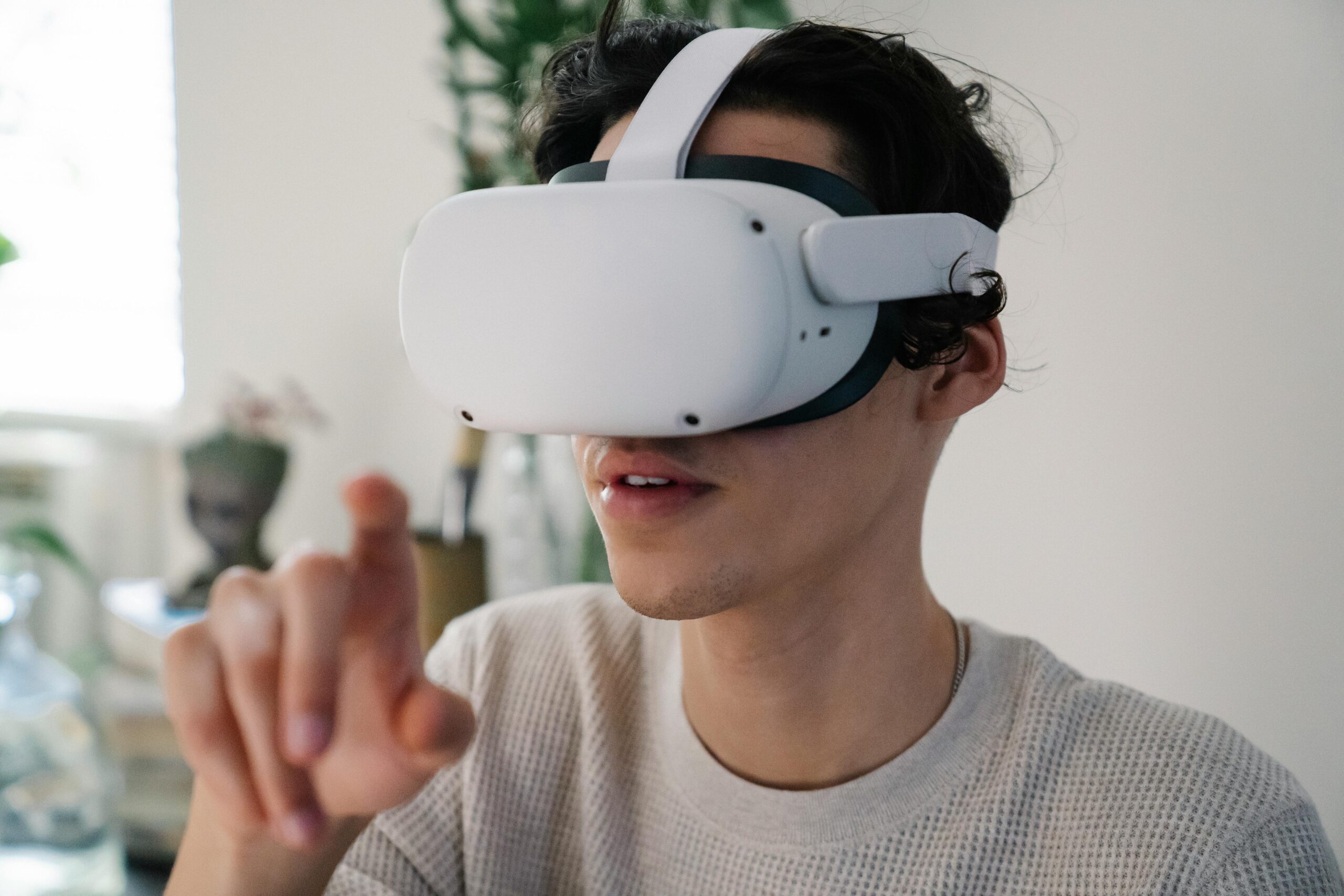
Augmented reality is revolutionizing how brands connect with customers, creating immersive experiences that blur the line between digital innovation and real-world interaction.

The marketing landscape has undergone a dramatic transformation in recent years, with technology reshaping every aspect of customer engagement. Among these innovations, augmented reality (AR) stands out as a game-changing tool that’s enabling brands to create memorable, interactive experiences that drive deeper connections with their audiences. What was once the realm of science fiction has become an accessible and powerful marketing asset that companies of all sizes can leverage to stand out in crowded markets.
From virtual try-ons to interactive product demonstrations, AR is fundamentally changing customer expectations and behaviors. Consumers no longer settle for static images or traditional advertising—they crave experiences that allow them to interact with products before making purchasing decisions. This shift represents both a challenge and an extraordinary opportunity for brands willing to embrace this transformative technology.
🚀 Why Augmented Reality Matters for Modern Brands
The statistics surrounding AR adoption tell a compelling story. Research indicates that AR experiences can increase conversion rates by up to 94%, while reducing product return rates by as much as 40%. These aren’t marginal improvements—they represent fundamental shifts in how effectively brands can connect with and serve their customers.
Augmented reality bridges the gap between online and offline shopping experiences, addressing one of e-commerce’s most persistent challenges: the inability for customers to physically interact with products. By overlaying digital information onto the real world through smartphones, tablets, or specialized glasses, AR creates a hybrid experience that combines the convenience of digital shopping with the tangibility of in-store browsing.
The technology has matured significantly over the past few years. What once required expensive hardware and specialized development is now accessible through smartphones that billions of people already own. Apple’s ARKit and Google’s ARCore have democratized AR development, making it feasible for businesses across various industries to implement compelling AR experiences without prohibitive costs.
💡 Transforming Customer Engagement Through Immersive Experiences
Customer engagement has evolved from a one-way broadcast model to an interactive dialogue. Augmented reality takes this evolution further by making the engagement itself an experience worth sharing. When customers can virtually place furniture in their living rooms, try on makeup without touching a product, or see how a new car would look in their driveway, the brand becomes part of their decision-making process in an intimate, helpful way.
This immersive quality creates emotional connections that traditional advertising struggles to achieve. When a customer spends five minutes interacting with an AR experience, they’re investing attention and energy that translates into brand recall and preference. The interaction itself becomes memorable, increasing the likelihood that they’ll think of your brand when making a purchase decision.
The Psychology Behind AR Effectiveness
Augmented reality works because it taps into fundamental aspects of human psychology. We’re visual creatures who learn and remember through experience. AR leverages this by creating active participation rather than passive consumption. When customers manipulate virtual objects, they engage multiple sensory pathways, creating stronger neural connections and better recall.
The technology also reduces perceived risk in purchasing decisions. One of the primary barriers to online shopping is uncertainty—will this product work for me? Will it fit? Will it match my expectations? AR addresses these concerns directly by allowing customers to visualize products in their own context, dramatically reducing the anxiety that leads to cart abandonment.
🛍️ Practical Applications Across Industries
The versatility of augmented reality means it can be adapted to virtually any industry, though some sectors have embraced it more enthusiastically than others. Understanding how different businesses apply AR can inspire creative applications for your own brand.
Retail and Fashion Innovation
The retail sector has been at the forefront of AR adoption. Beauty brands like Sephora and L’Oréal offer virtual makeup try-ons that allow customers to test thousands of product combinations instantly. Fashion retailers enable virtual fitting rooms where shoppers can see how clothing items look on their body type without the hassle of physical changing rooms.
These applications aren’t just novelties—they solve real problems. They reduce the time and friction involved in shopping, increase customer confidence in purchases, and create shareable moments that extend brand reach through social media. When a customer tries on virtual sunglasses and shares the result with friends, your brand benefits from organic, authentic promotion.
Home and Furniture Retail Transformation
Perhaps no industry has benefited more dramatically from AR than home furnishing and décor. IKEA’s Place app revolutionized furniture shopping by allowing customers to visualize products in their actual spaces with accurate scale and lighting. This capability transformed a traditionally difficult purchasing decision into a confident, even enjoyable experience.
The impact extends beyond individual sales. By reducing the guesswork in furniture shopping, AR reduces return rates, which represent significant costs for retailers. It also opens new purchasing possibilities—customers become willing to buy larger items online when they can be certain about fit and appearance.
Automotive Industry Engagement
Car manufacturers use AR to allow potential buyers to explore vehicle features, customize colors and options, and even take virtual test drives. This is particularly valuable for luxury and specialty vehicles that dealerships may not stock in every configuration. Customers can explore their dream car in their own driveway, building excitement and emotional connection before ever visiting a showroom.
Education and Training Applications
Beyond consumer retail, AR is transforming education and professional training. Complex machinery can be overlaid with digital instructions, medical students can practice procedures on virtual patients, and technical support can be provided remotely with visual guides. These applications enhance learning outcomes while reducing costs and risks associated with traditional training methods.
📱 Implementing AR in Your Marketing Strategy
Understanding AR’s potential is one thing; implementing it effectively is another. Successful AR campaigns require careful planning, clear objectives, and alignment with broader brand strategies.
Start with Customer Pain Points
The most effective AR experiences solve genuine customer problems rather than simply showcasing technology for its own sake. Begin by identifying friction points in your customer journey. Where do customers hesitate? What questions do they frequently ask? What causes returns or complaints? These pain points represent opportunities for AR solutions.
If customers struggle to visualize product scale, implement AR sizing tools. If they’re uncertain about color matching, create AR visualization that shows products in their environment. The technology should serve the customer experience, not overshadow it.
Choose the Right Platform and Tools
You don’t need to build everything from scratch. Numerous platforms and tools make AR development more accessible than ever. Web-based AR solutions can be implemented without requiring customers to download dedicated apps, reducing barriers to engagement. This approach, called WebAR, works directly through mobile browsers, making it ideal for reaching broad audiences.
For more sophisticated experiences, native apps provide greater control and capabilities. Consider your target audience’s technical comfort level and the complexity of the experience you want to create when choosing between these approaches.
Design for Seamless Integration
Your AR experience should feel like a natural extension of your brand, not a disconnected gimmick. Maintain consistent visual branding, tone, and user experience across all touchpoints. The AR interaction should flow naturally from discovery through engagement to conversion, with clear calls-to-action and intuitive navigation.
Performance matters immensely in AR experiences. Slow loading times, glitchy rendering, or complicated interfaces will frustrate users and damage your brand rather than enhance it. Invest in quality development and thorough testing across different devices and conditions.
📊 Measuring AR Campaign Success
Like any marketing initiative, AR campaigns require measurement and optimization. However, AR provides unique metrics that go beyond traditional digital marketing analytics.
Key performance indicators for AR experiences include:
- Engagement duration: How long users interact with your AR experience indicates its value and appeal
- Conversion rate impact: Compare conversion rates between users who engage with AR versus those who don’t
- Return rate reduction: Track whether AR visualization reduces product returns
- Social sharing: Monitor how often users share AR experiences, extending your organic reach
- Session frequency: Repeat interactions suggest genuine utility and positive brand perception
- Feature utilization: Understanding which AR features users engage with most guides optimization efforts
Beyond quantitative metrics, gather qualitative feedback through surveys and user testing. Understanding why customers find value in your AR experience—or why they don’t—provides insights that raw numbers can’t capture.
🎯 Creating Shareable AR Moments
One of AR’s most powerful attributes is its shareability. When customers engage with well-designed AR experiences, they naturally want to share them with friends and family. This organic social amplification extends your reach far beyond paid advertising.
Design your AR experiences with sharing in mind. Make it easy for users to capture and share their AR moments directly to social platforms. Create experiences that are visually striking and emotionally resonant—things people want to show others. Consider implementing AR filters or effects that tap into current trends or cultural moments, increasing the likelihood of viral spread.
Gamification elements can further encourage sharing. Leaderboards, challenges, collectibles, or exclusive unlocks motivate users to engage more deeply and share their achievements. These mechanics work across demographics but are particularly effective with younger audiences who grew up with social media and gaming.
🔮 Future Trends and Emerging Opportunities
Augmented reality continues to evolve rapidly, with emerging technologies and capabilities opening new possibilities for brand engagement. Staying informed about these trends positions your brand to capitalize on opportunities as they mature.
Wearable AR Devices
While smartphones currently dominate AR experiences, wearable devices represent the next frontier. Smart glasses from companies like Apple, Meta, and Google promise more immersive, hands-free AR experiences. As these devices become mainstream, brands will need to adapt their AR strategies for this new context, creating experiences that work naturally in always-on, peripheral vision displays.
AI-Enhanced Personalization
Artificial intelligence is making AR experiences increasingly personalized. Machine learning algorithms can analyze user preferences and behaviors to customize AR content dynamically. Imagine AR shopping experiences that automatically highlight products matching your style preferences or virtual try-ons that suggest combinations based on your past choices.
Social AR Experiences
Multiplayer and social AR experiences allow multiple users to interact with the same augmented environment simultaneously. This capability opens possibilities for shared shopping experiences, virtual events, and collaborative product exploration. Friends could shop together virtually regardless of physical location, with each person’s AR view showing the same products in their respective spaces.
💼 Overcoming Implementation Challenges
Despite its potential, AR implementation presents challenges that brands must navigate thoughtfully. Budget constraints, technical limitations, and organizational resistance can all impede successful adoption.
Start small with pilot projects that demonstrate value before committing to large-scale implementations. Choose use cases with clear ROI potential and measurable outcomes. Success with initial projects builds internal support and justifies expanded investment.
Technical challenges have diminished significantly as AR tools have matured, but they still require consideration. Not all customers have devices capable of sophisticated AR experiences. Design graceful fallbacks for users with older devices, ensuring they still receive value even if they can’t access the full AR experience.
Privacy concerns deserve serious attention. AR applications often require camera access and may collect location or biometric data. Be transparent about data collection, use, and protection. Provide clear value in exchange for permissions, and honor user privacy preferences rigorously.
🌟 Building Long-Term AR Strategy
Augmented reality shouldn’t be treated as a one-off campaign or temporary gimmick. The brands that will benefit most from AR are those that integrate it into their long-term customer engagement strategy, continually evolving their AR offerings as the technology and customer expectations advance.
Create a roadmap that progresses from simple implementations to more sophisticated experiences as you learn what resonates with your audience. Start with basic product visualization, then add customization options, social features, and eventually immersive branded environments.
Invest in building internal AR expertise rather than relying entirely on external vendors. As AR becomes central to customer experience, having in-house knowledge allows for faster iteration and better integration with your broader business operations.
The brands that will lead their industries tomorrow are those investing in immersive, interactive customer experiences today. Augmented reality represents more than a marketing trend—it’s a fundamental shift in how customers interact with brands and make purchasing decisions. By embracing AR thoughtfully and strategically, you position your brand at the forefront of this transformation, creating memorable experiences that drive engagement, loyalty, and growth. The question isn’t whether augmented reality will reshape customer engagement in your industry, but whether your brand will lead that transformation or be left struggling to catch up. The time to act is now, while the competitive advantages remain substantial and customer expectations continue to evolve toward increasingly immersive brand interactions.