
Augmented reality is transforming how organizations transfer critical knowledge, replacing traditional training methods with immersive experiences that engage teams and accelerate learning outcomes across industries.

🚀 The Knowledge Transfer Challenge in Modern Enterprises
Organizations worldwide face a mounting crisis in knowledge transfer. As experienced workers retire and industries evolve at unprecedented speeds, companies struggle to preserve institutional knowledge and upskill their workforce effectively. Traditional training methods—classroom sessions, lengthy manuals, and static video tutorials—no longer meet the demands of today’s dynamic business environment.
The average employee forgets approximately 70% of information within 24 hours when using conventional training approaches. This alarming statistic highlights a fundamental problem: passive learning methods fail to create lasting impressions. Moreover, the complexity of modern equipment, processes, and systems requires hands-on experience that textbooks and presentations simply cannot provide.
Enter augmented reality—a technology that overlays digital information onto the physical world, creating interactive learning experiences that bridge the gap between theory and practice. By enabling workers to visualize complex concepts, practice procedures in safe environments, and access real-time guidance, AR is revolutionizing enterprise knowledge transfer.
Understanding Augmented Reality in the Learning Context
Augmented reality differs fundamentally from virtual reality. While VR creates entirely artificial environments, AR enhances the real world with digital elements. Through smartphones, tablets, or specialized glasses, users see their actual surroundings supplemented with helpful information, 3D models, animations, and interactive instructions.
This distinction matters tremendously for workplace training. Employees learn using the actual equipment, environments, and contexts they’ll encounter daily. A maintenance technician, for instance, can point their device at a machine and see step-by-step repair instructions overlaid directly onto the components needing attention.
The technology relies on computer vision, spatial mapping, and advanced sensors to understand the physical environment and position digital content accurately. Modern AR platforms can recognize objects, track hand movements, and even detect when specific tasks are completed correctly, providing immediate feedback that reinforces proper techniques.
💡 Immersive Learning: Beyond Traditional Training Methods
Immersive learning through augmented reality creates cognitive connections that traditional methods cannot achieve. When learners interact with 3D models, manipulate virtual objects, and receive contextual information in real-time, they engage multiple senses simultaneously. This multisensory approach activates different brain regions, strengthening memory formation and skill retention.
Research consistently demonstrates that experiential learning produces superior outcomes compared to passive consumption of information. AR takes experiential learning to new heights by allowing unlimited practice opportunities without consuming physical resources or risking equipment damage. A trainee can assemble a complex mechanism dozens of times, making mistakes and learning from them without wasting materials or time.
The emotional engagement factor cannot be overlooked. AR experiences often generate excitement and curiosity, transforming training from a chore into an engaging activity. This emotional connection creates positive associations with learning, encouraging employees to seek additional knowledge and take ownership of their development.
Practical Applications Across Industries
Manufacturing environments have embraced AR knowledge transfer with remarkable results. Assembly line workers use AR glasses to receive visual guidance during complex assembly processes, reducing errors by up to 90% according to several case studies. New employees become productive faster, and experienced workers handle unfamiliar products with greater confidence.
Healthcare organizations leverage AR for surgical training, anatomical education, and medical device operation. Medical students explore three-dimensional organ systems that they can rotate, dissect virtually, and examine from angles impossible with textbooks. Surgeons rehearse intricate procedures using AR simulations before entering operating rooms, improving patient outcomes and reducing complications.
The energy sector utilizes augmented reality for field service training and maintenance procedures. Technicians working on offshore platforms or remote wind farms access expert guidance through AR systems, receiving visual instructions and remote assistance from specialists located thousands of miles away. This capability dramatically reduces equipment downtime and travel costs while improving safety.
🎯 Key Benefits Driving AR Adoption for Knowledge Transfer
Organizations implementing AR-based learning solutions report measurable improvements across multiple performance indicators. Training time decreases significantly—some companies document reductions of 30-50% compared to traditional methods. Faster training translates directly into cost savings and quicker time-to-productivity for new hires.
Knowledge retention rates improve dramatically with AR training. Studies indicate retention rates of 75% or higher even weeks after training sessions, compared to the abysmal retention rates of conventional approaches. This sustained retention means fewer refresher courses, reduced errors, and more competent employees.
Safety improvements represent another critical benefit. Employees practice hazardous procedures in risk-free AR environments before attempting them in reality. This approach eliminates training injuries while building confidence and muscle memory. Industries with high safety risks—construction, mining, chemical processing—find particular value in this aspect.
Consistency across training programs becomes achievable with AR systems. Every learner receives identical information presented in the same manner, eliminating the variability introduced by different instructors or training facilities. This standardization ensures quality control and compliance with regulatory requirements.
Implementing AR Knowledge Transfer Systems Successfully
Successful AR implementation begins with clearly defined objectives. Organizations must identify specific knowledge gaps, training challenges, or performance issues that AR can address. Attempting to digitize all training simultaneously often leads to scope creep and disappointing results. Starting with focused pilot projects demonstrates value and builds organizational support.
Content development requires collaboration between subject matter experts, instructional designers, and AR developers. The most effective AR training experiences balance technical accuracy with pedagogical principles. Simply recreating existing training materials in AR format misses the technology’s potential—content must leverage AR’s unique capabilities for visualization, interaction, and contextualization.
Hardware selection depends on use cases and environments. Smartphones and tablets offer accessibility and familiarity but occupy users’ hands. Smart glasses provide hands-free operation ideal for field service or manufacturing but come with higher costs and adoption challenges. Some organizations deploy hybrid approaches, using different devices for different scenarios.
Change management determines whether AR initiatives succeed or fail. Employees accustomed to traditional training may resist new approaches, especially if they’re unfamiliar with technology. Effective change management includes early involvement of end-users, clear communication about benefits, adequate support resources, and celebrating early wins to build momentum.
📊 Measuring ROI and Training Effectiveness
Quantifying the return on investment for AR training systems requires establishing baseline metrics before implementation. Key performance indicators might include training completion times, error rates, productivity measurements, safety incidents, or certification pass rates. Comparing these metrics before and after AR deployment reveals tangible impacts.
Beyond quantitative measures, qualitative feedback provides valuable insights. Employee surveys, focus groups, and interviews capture user experiences, identifying strengths to amplify and weaknesses to address. Learner confidence levels, engagement scores, and willingness to recommend the training to colleagues all indicate program effectiveness.
Long-term tracking reveals whether knowledge gained through AR training translates into sustained performance improvements. Following employees for months after training completion shows whether skills degrade over time or remain robust. This longitudinal data helps organizations optimize refresher training schedules and content updates.
Overcoming Common Implementation Challenges
Technical limitations still constrain some AR applications. Battery life, processing power, and display quality continue improving but occasionally hamper user experiences. Organizations should thoroughly test hardware in actual working conditions before large-scale deployments, ensuring devices withstand environmental factors like temperature extremes, dust, or moisture.
Content creation costs represent significant investments, particularly for highly specialized or complex training scenarios. However, these costs should be weighed against ongoing expenses of traditional training—instructor salaries, facility rentals, travel, equipment wear, and material waste. Additionally, AR content can be updated more easily than reprinting manuals or reshooting videos.
Integration with existing learning management systems and enterprise software requires careful planning. AR platforms should track completion data, assessment results, and user progress, feeding this information into broader HR and training systems. Seamless integration ensures AR becomes part of the organizational ecosystem rather than an isolated tool.
🌟 Future Trends Shaping AR-Powered Knowledge Transfer
Artificial intelligence integration will personalize AR learning experiences based on individual learner needs. AI algorithms will analyze performance data, identify knowledge gaps, and adjust content difficulty or pacing accordingly. Some learners might need additional practice on specific steps, while others advance quickly—AI-enhanced AR will accommodate both.
5G connectivity will enable more sophisticated AR experiences, particularly for remote collaboration and expert assistance. High-bandwidth, low-latency networks support real-time streaming of complex 3D models and multi-user AR environments where teams collaborate regardless of physical location. This capability transforms knowledge transfer from individual activity to social learning experience.
Haptic feedback technology will add tactile dimensions to AR training, allowing users to “feel” virtual objects. For skills requiring fine motor control or pressure sensitivity—surgical procedures, equipment assembly, quality inspection—haptic AR provides sensory information that purely visual systems cannot deliver. This multisensory approach further enhances learning effectiveness.
Cloud-based AR platforms will democratize access, reducing the technical expertise required to create and deploy AR training content. Subject matter experts will develop AR experiences using intuitive authoring tools without extensive programming knowledge. This accessibility will accelerate AR adoption across organizations of all sizes and industries.
Building Teams Ready for Continuous Learning
Augmented reality doesn’t just transfer knowledge—it cultivates learning cultures where continuous improvement becomes natural. When training is engaging, accessible, and immediately applicable, employees develop appetite for ongoing skill development. Organizations can rapidly upskill their workforce to adopt new technologies, processes, or business models.
The confidence gained through comprehensive AR training empowers employees to tackle unfamiliar challenges. Workers who have practiced procedures repeatedly in safe AR environments approach real-world tasks with competence rather than anxiety. This confidence improves job satisfaction, reduces turnover, and creates more adaptable teams.
Cross-functional knowledge sharing becomes easier with AR systems. Employees from different departments can access relevant training modules on-demand, understanding how their work intersects with other functions. This shared knowledge foundation improves collaboration and helps teams appreciate broader organizational objectives beyond their immediate responsibilities.
🔧 Selecting the Right AR Platform for Your Organization
Evaluating AR platforms requires assessing several critical factors. Content creation capabilities determine how easily your team can develop training experiences. Look for platforms offering both template-based rapid development for simple scenarios and advanced customization for complex needs. The ideal platform grows with your expertise and ambitions.
Analytics and reporting features should provide actionable insights into training effectiveness. Detailed dashboards showing completion rates, assessment scores, time-on-task, and common error patterns enable data-driven optimization. Integration capabilities with existing systems ensure AR training data informs broader talent development strategies.
Vendor support and community resources matter tremendously, especially during initial implementation. Platforms backed by responsive technical support, comprehensive documentation, and active user communities reduce implementation risks. Consider vendors’ track records in your industry and their commitment to ongoing platform development.
Scalability considerations include both technical capacity and cost structures. Can the platform support your current team size while accommodating future growth? Are pricing models predictable and aligned with your budget cycles? Understanding total cost of ownership—including hardware, software licenses, content development, and maintenance—prevents budget surprises.
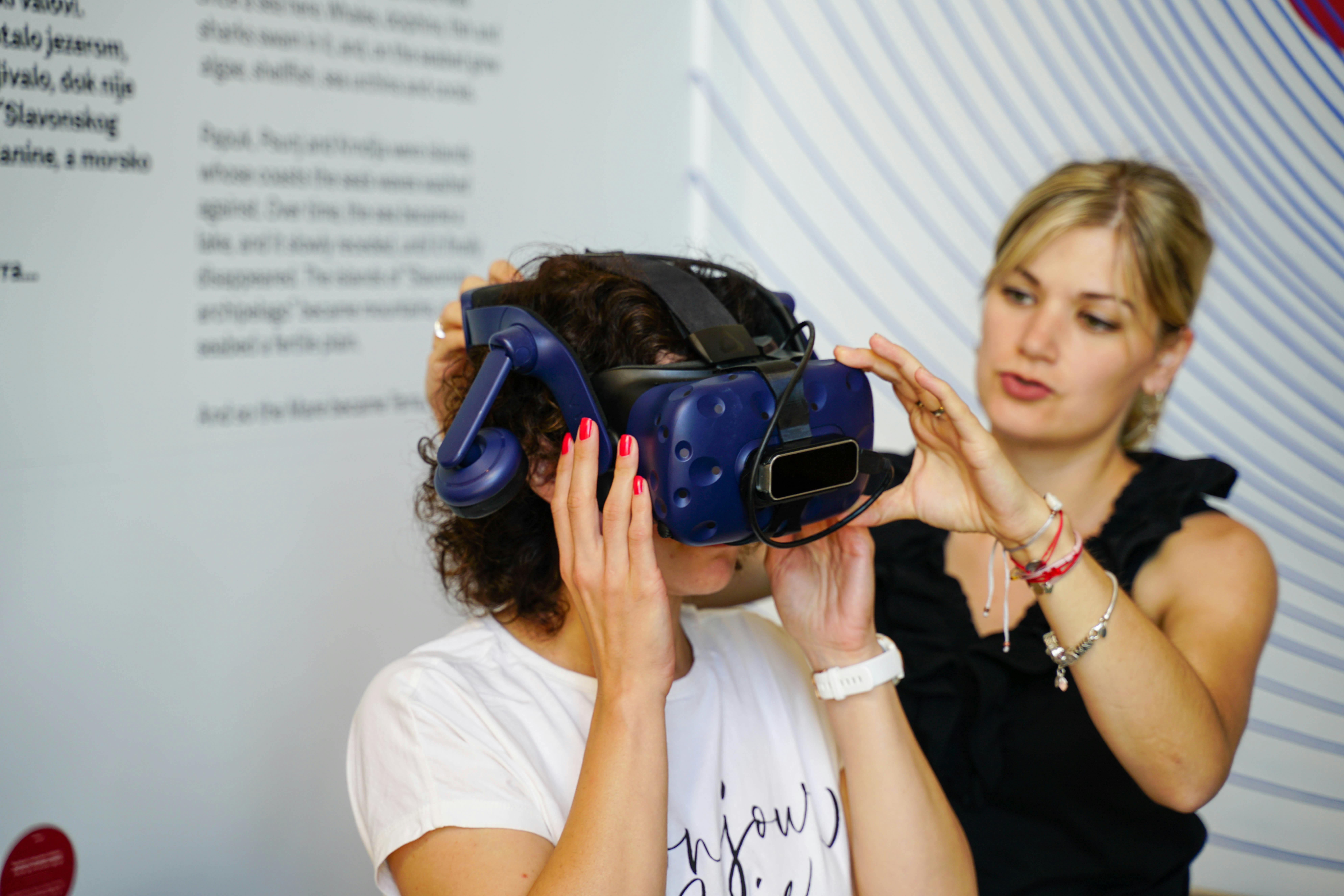
Transforming Organizational Knowledge into Competitive Advantage
The organizations that master knowledge transfer will dominate their industries. In an era where technical skills become obsolete rapidly and workforce demographics shift dramatically, the ability to quickly and effectively transfer expertise represents a fundamental competitive advantage. Augmented reality transforms this challenge into an opportunity.
By embracing immersive learning solutions, forward-thinking companies create agile, confident, and continuously improving teams. These organizations respond faster to market changes, innovate more effectively, and maintain quality standards that competitors struggle to match. The investment in AR-powered knowledge transfer pays dividends across every business metric that matters.
The revolution in enterprise knowledge transfer has begun. Augmented reality is not a futuristic concept—it’s a practical solution delivering measurable results today. Organizations that recognize this reality and act decisively will empower their teams, preserve institutional knowledge, and build sustainable competitive advantages that last for decades to come. The question is no longer whether to adopt AR for learning, but how quickly you can implement it to stay ahead.