
The convergence of Augmented Reality and the Internet of Things is creating unprecedented opportunities for transforming how we interact with connected devices and digital ecosystems.

As our world becomes increasingly interconnected, the traditional boundaries between physical and digital realms continue to blur. The integration of AR technology with IoT infrastructure represents more than just a technological advancement—it’s a fundamental shift in how we perceive, manage, and optimize our smart environments. This powerful combination is reshaping industries, enhancing user experiences, and creating intelligent solutions that were once confined to the realm of science fiction.
The marriage of these two transformative technologies offers a visual and interactive layer to the vast network of connected devices that surround us. From smart homes to industrial facilities, from healthcare systems to urban planning, AR-driven IoT solutions are providing stakeholders with unprecedented visibility, control, and insights into their connected ecosystems.
🌐 Understanding the AR-IoT Synergy
Augmented Reality serves as the bridge between humans and the invisible data streams constantly flowing through IoT networks. While IoT devices collect and transmit massive amounts of data, AR provides an intuitive interface for visualizing, interpreting, and acting upon this information in real-time. This synergy creates a feedback loop where physical actions influence digital systems, and digital insights inform physical decisions.
The technical foundation of this integration relies on several key components working in harmony. IoT sensors continuously monitor environmental conditions, device performance, and user behaviors. This data is processed through cloud or edge computing systems, analyzed using artificial intelligence algorithms, and then presented through AR interfaces that overlay contextual information onto the physical world.
What makes this combination particularly powerful is the spatial computing capability that AR brings to IoT ecosystems. Instead of viewing data on disconnected screens or dashboards, users can see information precisely where it matters most—directly on or near the physical objects and spaces they’re monitoring or controlling.
🏠 Transforming Smart Home Experiences
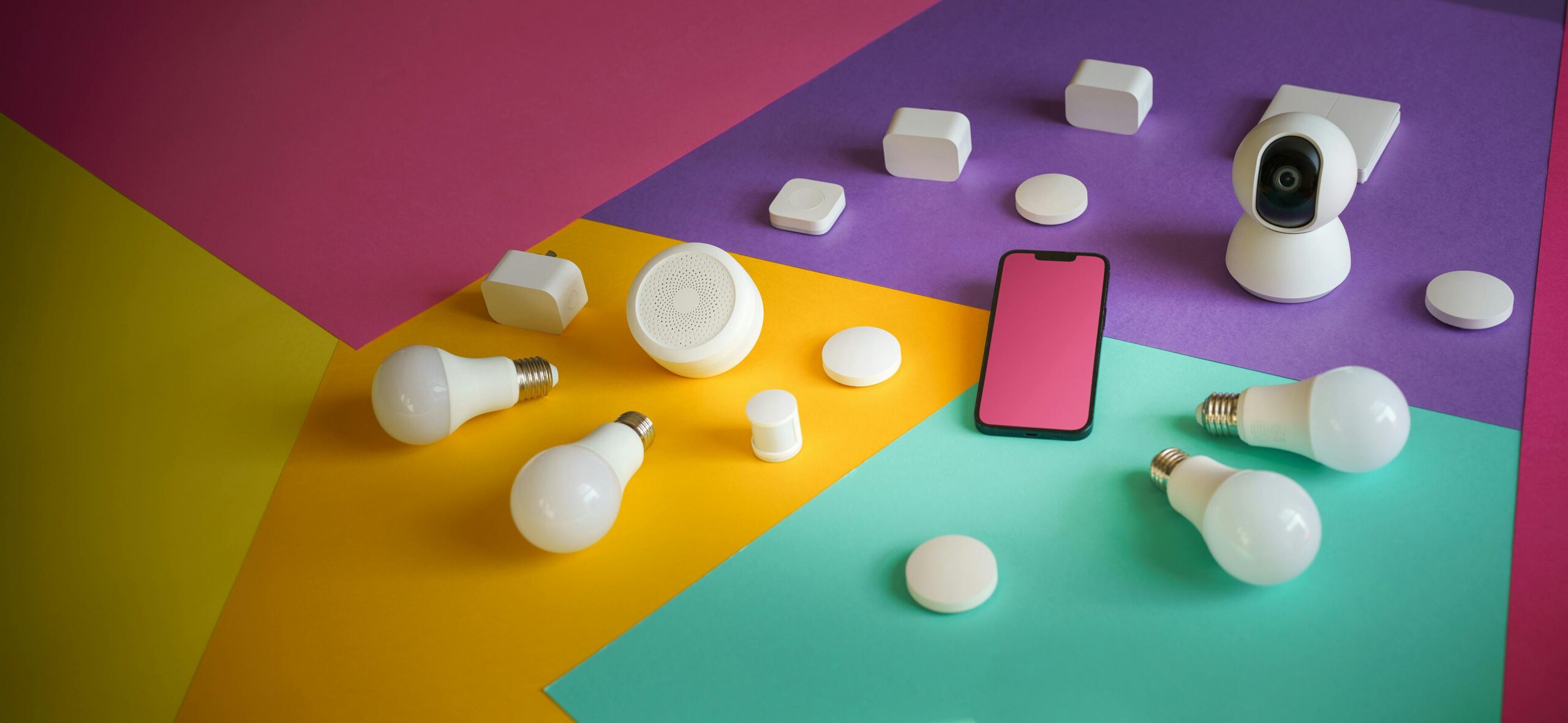
The smart home sector represents one of the most accessible applications of AR-driven IoT technology. Homeowners can now use AR-enabled devices to visualize their home’s energy consumption patterns, security camera feeds, and environmental controls in intuitive, spatially-aware formats. By simply pointing a smartphone or wearing AR glasses, users can see virtual interfaces floating near their smart appliances, displaying real-time status, consumption metrics, and control options.
This visual approach eliminates the complexity that has historically plagued smart home adoption. Instead of navigating through multiple apps and menus, residents can interact with their connected devices naturally and intuitively. For example, looking at a smart thermostat through an AR interface might display temperature trends, energy savings recommendations, and predictive maintenance alerts—all without touching a single button.
Maintenance and troubleshooting become significantly more manageable when AR visualization is applied to home IoT networks. When a connected device malfunctions, AR interfaces can guide users through diagnostic procedures with step-by-step visual instructions overlaid on the actual device, reducing the need for professional service calls and empowering homeowners to resolve issues independently.
⚙️ Industrial Revolution Through Enhanced Visualization
Manufacturing and industrial sectors are experiencing transformative benefits from AR-driven IoT implementations. Factory floors equipped with thousands of IoT sensors can now be monitored through AR headsets that display real-time operational data, equipment status, and predictive maintenance warnings directly on the machinery itself. This immediate visual feedback enables operators to identify and address potential issues before they escalate into costly downtime.
Workers equipped with AR interfaces can access digital work instructions, safety protocols, and quality control checkpoints overlaid on their physical workspace. This hands-free access to information improves efficiency while reducing errors and workplace accidents. The IoT backbone continuously monitors environmental conditions, equipment vibrations, and operational parameters, feeding this critical data into AR displays that help workers make informed decisions in real-time.
Remote assistance capabilities represent another significant advantage of AR-IoT integration in industrial settings. Expert technicians can virtually observe what field workers see through AR devices, annotate their view with guidance, and even overlay digital instructions or diagrams onto physical equipment. This capability dramatically reduces repair times and eliminates the need for expensive expert travel to remote facilities.
Optimizing Supply Chain and Logistics Operations
Warehouse management and logistics operations benefit enormously from AR-enhanced IoT systems. Workers can use AR glasses that display optimal picking routes, package locations, and inventory data as they navigate warehouse spaces. IoT sensors track inventory levels, environmental conditions, and equipment location, while AR interfaces present this information in contextually relevant ways that streamline operations.
Package sorting, loading operations, and quality inspections become faster and more accurate when workers receive visual guidance through AR overlays. The system can highlight specific items, display handling instructions, and even project loading patterns for optimal truck packing—all informed by real-time IoT data about package dimensions, weights, and destinations.
🏥 Healthcare Innovation and Patient Care Enhancement
The healthcare industry is leveraging AR-driven IoT solutions to improve patient outcomes, streamline clinical workflows, and enhance medical training. Connected medical devices continuously monitor patient vital signs, medication levels, and equipment status, while AR interfaces enable healthcare providers to access this critical information without diverting attention from patients.
Surgeons can benefit from AR displays that overlay patient data, medical imaging, and procedural guidance directly within their field of vision during operations. IoT-connected surgical instruments provide real-time feedback on tissue conditions, bleeding, and other parameters, with AR systems integrating this information into coherent visual presentations that support better decision-making during critical procedures.
Hospital asset management becomes significantly more efficient when AR visualization is applied to IoT tracking systems. Staff can quickly locate essential equipment, verify sterilization status, and check maintenance schedules simply by scanning their environment with AR devices. This capability reduces time wasted searching for equipment and ensures that critical assets are always available when needed.
🏙️ Building Smarter Cities with Enhanced Connectivity
Urban planners and city administrators are discovering the transformative potential of AR-driven IoT for creating more livable, efficient, and sustainable cities. Municipal IoT networks monitor everything from traffic flows to air quality, infrastructure conditions to energy consumption. AR interfaces make this complex data accessible and actionable for both city officials and residents.
Utility workers can use AR displays to visualize underground infrastructure, including water pipes, electrical conduits, and telecommunications cables, all tracked by IoT sensors that monitor flow rates, pressure levels, and system integrity. This capability dramatically reduces accidental damage during excavation work and speeds up maintenance and repair operations.
Public transportation systems benefit from AR-enhanced IoT through real-time passenger information displays, optimized routing based on current traffic conditions, and predictive maintenance of vehicles and infrastructure. Commuters can use AR-enabled apps to see virtual route information, departure times, and crowd levels overlaid on their actual environment, making urban navigation more intuitive and efficient.
Environmental Monitoring and Sustainability
Cities are deploying extensive IoT sensor networks to monitor environmental conditions, including air quality, noise levels, and water contamination. AR applications make this environmental data visible to citizens, creating awareness and encouraging sustainable behaviors. Residents might see color-coded air quality indicators overlaid on their neighborhood views or receive alerts about water quality through AR interfaces when near public fountains or recreational areas.
🔐 Security and Privacy Considerations
As AR-driven IoT systems proliferate, security and privacy concerns must be addressed proactively. The combination of visual data collection through AR devices and extensive sensor networks creates new vulnerabilities that malicious actors could potentially exploit. Robust encryption, authentication protocols, and access controls are essential for protecting both the data streams and the AR interfaces that display sensitive information.
Privacy considerations become particularly important when AR devices capture images and videos of public and private spaces while interacting with IoT networks. Clear policies regarding data collection, storage, and usage must be established and communicated transparently to users. Consent mechanisms should give individuals control over what information is collected about them and how it’s used within AR-IoT ecosystems.
Organizations implementing AR-driven IoT solutions must adopt security-by-design principles, incorporating protection mechanisms at every layer of their systems. Regular security audits, penetration testing, and vulnerability assessments help identify and address potential weaknesses before they can be exploited.
💡 Overcoming Implementation Challenges
Despite the tremendous potential of AR-driven IoT, several challenges must be addressed for widespread adoption. Technical hurdles include ensuring reliable connectivity, managing battery life on AR devices, and processing large data volumes with minimal latency. These challenges require ongoing innovation in networking technologies, battery chemistry, and edge computing architectures.
Standardization remains a significant concern, as the lack of common protocols and interfaces between different IoT platforms and AR systems creates integration difficulties. Industry collaboration on open standards will be essential for creating interoperable solutions that work seamlessly across different manufacturers and platforms.
The cost of AR hardware continues to be a barrier for many potential applications, though prices are steadily declining as technology matures and production scales increase. Organizations must carefully evaluate return on investment, considering both immediate operational benefits and long-term strategic advantages when planning AR-IoT implementations.
Skills Gap and Training Requirements
Successfully deploying AR-driven IoT solutions requires personnel with expertise spanning multiple disciplines, including IoT architecture, AR development, data analytics, and user experience design. Many organizations face challenges recruiting and retaining talent with these specialized skills. Comprehensive training programs and partnerships with educational institutions can help develop the workforce needed to support this technological convergence.
🚀 Future Horizons and Emerging Possibilities
The evolution of 5G and future 6G networks will dramatically enhance AR-driven IoT capabilities by providing the ultra-low latency and high bandwidth necessary for seamless real-time experiences. This improved connectivity will enable more sophisticated applications, including autonomous systems that combine AR visualization with IoT sensor data for navigation and decision-making.
Artificial intelligence will play an increasingly central role in AR-IoT ecosystems, analyzing patterns in sensor data and automatically generating relevant AR visualizations tailored to specific contexts and user needs. Machine learning algorithms will predict equipment failures, optimize energy consumption, and identify efficiency opportunities, presenting these insights through intuitive AR interfaces that make complex data accessible to non-technical users.
The integration of haptic feedback with AR-IoT systems will create even more immersive and intuitive experiences. Users will not only see virtual information overlaid on physical objects but will also feel tactile responses when interacting with digital controls, creating a more natural and responsive interface between humans and connected systems.
🎯 Driving Business Value Through Strategic Implementation
Organizations seeking to harness the power of AR-driven IoT should begin with clearly defined use cases that address specific business challenges or opportunities. Pilot projects allow companies to test technologies, refine implementation approaches, and demonstrate value before committing to large-scale deployments. Success metrics should encompass both quantitative measures like efficiency gains and cost reductions, as well as qualitative factors such as user satisfaction and ease of adoption.
Cross-functional collaboration is essential for successful AR-IoT implementation. Projects require input from IT teams managing infrastructure, operations personnel who understand workflow requirements, user experience designers creating intuitive interfaces, and business leaders ensuring alignment with strategic objectives. This collaborative approach ensures that technical solutions address real business needs and deliver measurable value.
Continuous improvement should be built into AR-IoT deployments through feedback mechanisms that capture user experiences, system performance metrics, and evolving requirements. The flexibility to adapt and enhance systems over time ensures that investments remain relevant and valuable as technologies advance and business needs change.
🌟 Empowering Innovation Across Industries
The transformative potential of AR-driven IoT extends across virtually every sector of the economy. Retail environments can create immersive shopping experiences where customers visualize product information, reviews, and personalized recommendations through AR interfaces connected to IoT inventory systems. Agricultural operations can monitor crop health, soil conditions, and irrigation systems through AR displays that help farmers optimize yields while conserving resources.
Education and training benefit from AR-IoT integration through immersive learning experiences that connect theoretical knowledge with practical applications. Students can see abstract concepts visualized in three dimensions, interact with virtual models of complex systems, and access real-time data from IoT sensors that bring their lessons to life.
The entertainment and sports industries are exploring AR-driven IoT for creating enhanced spectator experiences, where fans can access player statistics, game analytics, and interactive content overlaid on their view of live events. Connected stadiums equipped with IoT sensors feed real-time data into AR applications that transform how audiences engage with sports and entertainment.
As we stand at the threshold of this technological revolution, the convergence of Augmented Reality and the Internet of Things promises to fundamentally reshape how we interact with the connected world around us. Organizations that embrace these technologies strategically, address implementation challenges thoughtfully, and prioritize user experience will position themselves to thrive in an increasingly interconnected future. The journey toward seamless smart solutions powered by AR-driven IoT has begun, and its full potential is only beginning to be realized. By unlocking the power of visual, intuitive interfaces layered onto intelligent sensor networks, we’re creating a world where technology serves humanity more effectively, efficiently, and naturally than ever before. The revolution in connectivity isn’t just about more devices or faster networks—it’s about making our relationship with technology more human, more intuitive, and ultimately more valuable in addressing the challenges and opportunities that define our digital age. 🚀